Why FCT Teachers Keep Going on Strike: What You Need to Know
Strikes have repeatedly shut schools in the capital this year. Here is the timeline, the demands, and why the dispute keeps coming back.
Abuja Public School Pupils Face Repeated Disruptions as Teachers Join Strike
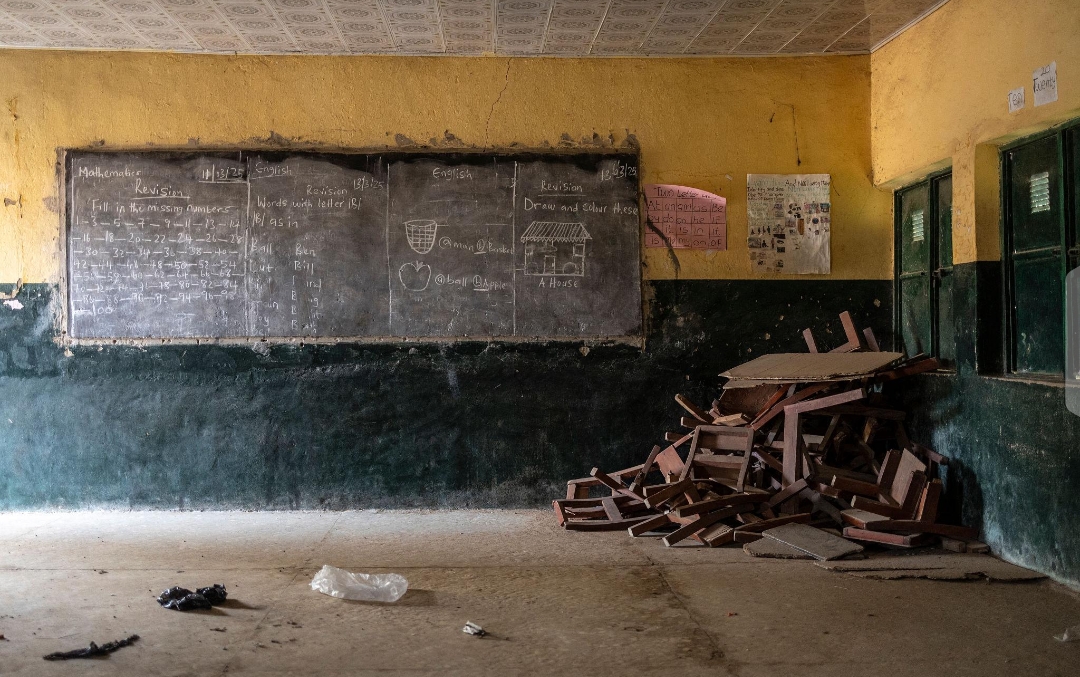
Public school pupils in Nigeria’s Federal Capital Territory (FCT), Abuja, have faced repeated disruptions to their education this year as disagreements between workers’ unions and the FCT administration continue to trigger industrial action.
The first major disruption began on January 19, 2026, when FCT workers embarked on a strike over unpaid salaries, outstanding promotion arrears and poor working conditions. The industrial action lasted more than two weeks, affecting activities across the territory.
Barely three months later, the Nigeria Union of Teachers (NUT), FCT wing, declared another strike on April 20. The union said the action was necessary because of delays in releasing and implementing the report of a ministerial committee established in 2025 to address primary school teachers’ outstanding entitlements.
The strike was suspended on April 26 following commitments made by FCT Minister Nyesom Wike. Teachers were directed to resume work on April 27, although the union warned that it could reconsider its decision if the agreements were not honoured.
However, tensions resurfaced in October when the Nigeria Labour Congress (NLC), FCT council, directed workers to begin an indefinite strike after the expiration of a seven-day ultimatum issued to the minister.
One of the key demands was that teachers who qualified for promotion examinations in 2025 but missed the opportunity should be allowed to sit the examinations alongside the 2026 batch. The NUT subsequently directed its members to join the industrial action, raising concerns about another shutdown of public primary and secondary schools across the FCT.
However, not all teachers’ unions supported the action. The Association of Senior Staff of Secondary Schools (ASUSS) stated that it was not part of the NUT-led strike. The association pointed to the different administrative structures governing schools in the territory, explaining that secondary school teachers fall under the FCT administration, while primary school teachers are managed by the area councils.
This difference in the management of primary and secondary education has complicated efforts to resolve disputes over salaries, promotions and other outstanding entitlements through a single agreement.
In response to the industrial action, the FCT minister also ordered the implementation of a “no work, no pay” policy for workers participating in the strike.
What the strike means for parents and pupils
The repeated disruptions have raised concerns about the quality and continuity of education in public schools. When pupils spend weeks away from the classroom, they risk falling behind in their lessons, while teachers may struggle to complete their schemes of work within the academic calendar.
The situation is particularly concerning for pupils preparing for major examinations, as missed lessons can increase the pressure on both students and teachers when schools eventually reopen.
Parents and guardians are therefore encouraged to stay in contact with their children’s schools and follow official announcements from the FCT Education Secretariat for updates on school operations and resumption dates.
Why the disputes keep returning
At the heart of the recurring strikes are unresolved disagreements over workers’ entitlements, promotion processes and the implementation of agreements reached between unions and the government.
Although previous negotiations have led to the suspension of industrial action, the return of disputes suggests that concerns remain over whether commitments are being fully implemented within the agreed timelines.
For lasting peace to return to the education sector, the government and relevant workers’ unions will need to strengthen communication, honour negotiated agreements and establish a reliable process for resolving outstanding grievances before they lead to further strikes.
Until a lasting solution is reached, pupils and their families remain among those most affected by the repeated interruptions to public education in Abuja.
Sources: Reports by TheCable, Leadership, Blueprint, Daily Trust, Legit.ng and BusinessDay.