Cornell University Bans Fraternity Parties for the Rest of the Academic Year Amid Sexual Assault Investigation
Concise summary: Cornell University has banned fraternity parties and events for the rest of the academic year as it responds to allegations of a 2024 gang rape at a fraternity house. The university’s president apologized to the student involved and promised stronger steps to address campus culture. The move marks one of the stricter recent actions
Cornell University Bans Fraternity Parties for the Rest of the Academic Year Amid Sexual Assault Investigation
Cornell University in the United States has announced a sweeping ban on parties and social events at fraternity houses for the remainder of the 2026–2027 academic year following renewed controversy surrounding allegations of sexual assault involving a former female student.
The decision, announced by university president Michael Kotlikoff on October 13, 2026, comes amid growing pressure from students, faculty members, alumni and members of the wider university community over the institution's handling of a sexual assault case reportedly dating back to October 2024.
Under the new directive, fraternities affiliated with Cornell's Interfraternity Council (IFC) are prohibited from organising parties and other registered social events inside their chapter houses until the end of the academic year. The restriction is expected to remain in effect through May 31, 2027.
The university described the decision as part of broader efforts to improve campus safety, strengthen accountability and review the future of fraternity activities within its community.
The development has attracted considerable attention across the United States, particularly because it raises wider questions about student safety, institutional responsibility and the culture surrounding university social organisations.
Sexual Assault Allegations Trigger Renewed Scrutiny
The controversy centres on allegations made by a former Cornell undergraduate student, identified in court documents as Jane Doe, who claims she was sexually assaulted by seven men during a gathering at the Chi Phi fraternity house in October 2024.
According to a civil lawsuit filed in September 2026, the woman alleges that she was drugged and sexually assaulted during the incident. The lawsuit names seven individuals, the fraternity organisation and Cornell University.
The allegations have generated renewed public scrutiny of the university's earlier response and the measures it took to protect students and address reports of sexual misconduct.
The woman reportedly made a complaint to university police in November 2024, several weeks after the alleged incident. The initial investigation was subsequently referred to the Tompkins County District Attorney's Office, which initially declined to pursue criminal charges.
However, following the filing of the civil lawsuit and the renewed public attention surrounding the case, the criminal investigation was reopened.
The seven men named in the lawsuit have denied wrongdoing, and no criminal charges had been filed against them in connection with the allegations at the time of the university's announcement.
It is important to distinguish between the claims contained in the civil lawsuit and findings established through a criminal court process.
University Introduces Strict Restrictions on Fraternity Events
Announcing the new measures, President Kotlikoff said the university needed to take meaningful steps to address concerns about student safety and the environment in which social activities take place.
The suspension covers parties and registered social events organised, sponsored, endorsed or hosted by Interfraternity Council chapters on their properties.
The university has also introduced a zero-tolerance approach to violations of the directive. Any fraternity that organises a prohibited social event in its chapter house risks immediate emergency suspension.
The restriction applies whether or not alcohol is served at the gathering.
However, the directive does not mean that all fraternity organisations have been permanently dissolved or that every activity involving fraternity members has been prohibited.
Chapter meetings, member-only meals, recruitment activities and certain internal gatherings may continue under strict university requirements. These activities must remain substance-free, while approved philanthropy programmes and alumni events must also comply with restrictions on alcohol.
The measures specifically target social events held in Interfraternity Council houses. Other Greek-letter organisations operate under their existing university requirements.
Cornell said the temporary suspension would provide an opportunity to examine fraternity culture and determine whether social activities within these organisations can continue safely in the future.
Independent Investigations and Additional Support for Survivors
Beyond restricting fraternity parties, Cornell has announced additional measures intended to strengthen its response to sexual misconduct reports.
One major component involves greater participation by the New York State Police in investigating sexual assault allegations reported on campus.
The university intends to work with experienced investigators trained in trauma-informed approaches to ensure that individuals reporting sexual violence receive appropriate attention and support.
The move is particularly significant because the earlier investigation into the 2024 allegations was handled by Cornell University Police before the case was referred to local prosecutors.
By involving investigators independent of the university, the administration hopes to strengthen confidence in the investigative process and address concerns about institutional oversight.
Cornell has also announced plans to increase staffing within its Office of Civil Rights.
Additional personnel, including a dedicated case manager, are expected to help individuals reporting sexual misconduct navigate university procedures and access other forms of assistance.
Such support may involve guidance relating to academic arrangements, accommodation, financial aid and other institutional processes that can become complicated following reports of sexual violence.
The university has also committed to accelerating recommendations made by its Presidential Task Force on Campus Sexual Assault.
These efforts are intended to improve prevention programmes, strengthen awareness of consent and encourage students to intervene when they witness potentially dangerous situations.
Students and Faculty Demand Greater Accountability
The university's announcement follows mounting criticism from members of the Cornell community.
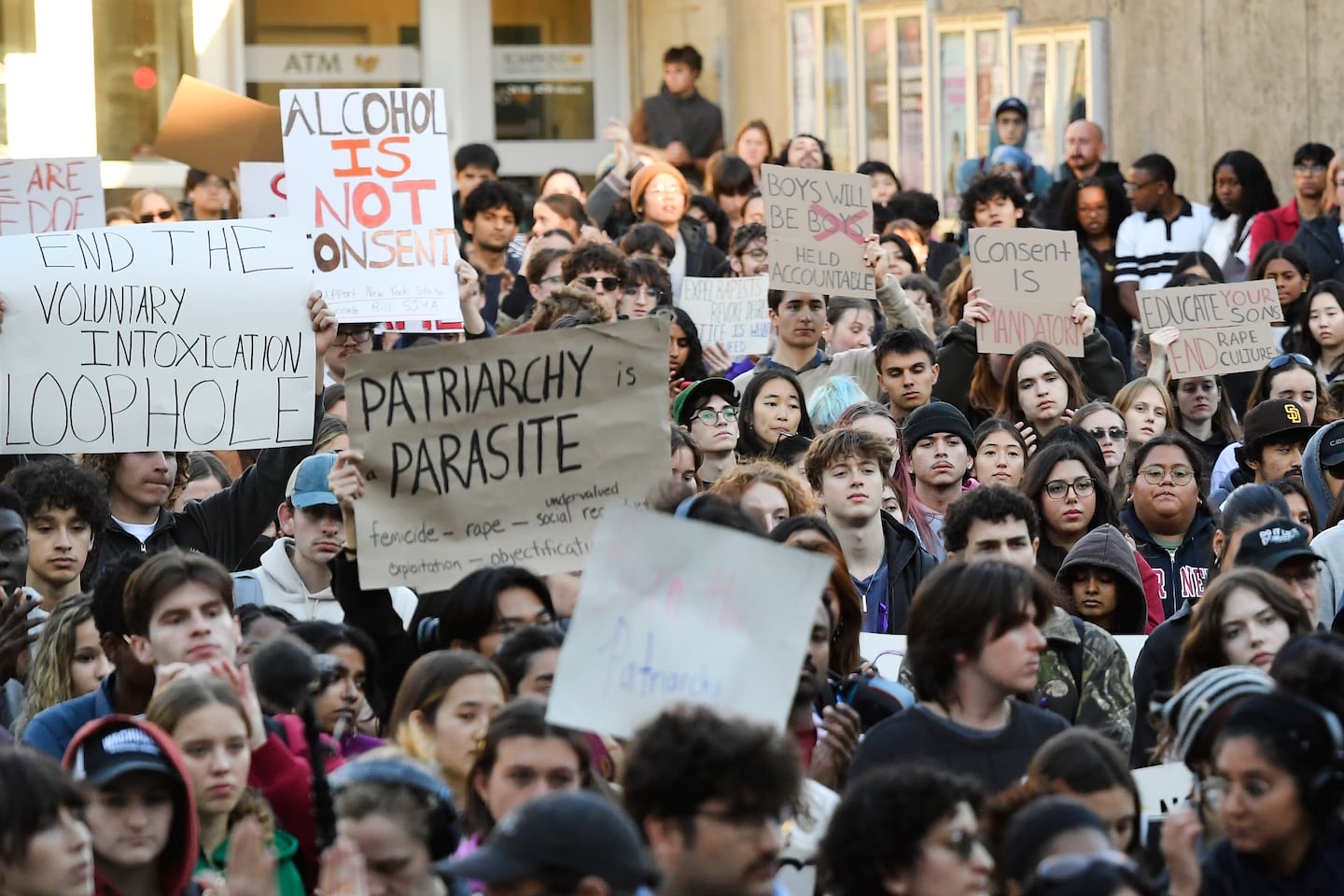
Students and other concerned individuals have organised protests calling for stronger action, greater transparency and improved protection for people reporting sexual misconduct.
Some members of the faculty have also questioned the administration's handling of the controversy, with a resolution expressing no confidence in university leadership emerging during the period of intense scrutiny.
The controversy has placed additional pressure on President Kotlikoff and other university administrators to demonstrate that their response goes beyond temporary restrictions.
For many members of the campus community, the central issue is not simply whether fraternity parties should continue. It is whether the university has effective systems for preventing sexual violence, responding to complaints and ensuring that students feel safe.
The case has also reignited discussions about the influence of fraternity culture on university social life, particularly where alcohol consumption, substance misuse and unsupervised gatherings are involved.
University officials have acknowledged that sexual violence is not limited to fraternity houses and that addressing the problem requires broader cultural and institutional changes.
Debate Over the Future of Fraternity Culture
Fraternities and sororities, commonly known as Greek-letter organisations, play an important role in the social activities of many American universities.
They provide opportunities for students to develop friendships, participate in community service, organise charitable activities and establish professional networks.
However, some organisations have faced criticism over allegations involving hazing, excessive alcohol consumption, discrimination and sexual misconduct.
At Cornell, the latest restrictions have raised questions about whether existing fraternity regulations are sufficient to protect students.
The university has indicated that it will engage students and faculty experts in developing safer alternatives to traditional fraternity social activities.
It also plans to invest institutional resources in creating social environments that allow students to interact without exposing themselves to unnecessary risks.
The administration's review will examine whether fraternity life can continue safely and what changes may be necessary to achieve that objective.
The outcome could have implications beyond Cornell, particularly as other universities continue to examine their approaches to student welfare and campus sexual violence.
What Happens Next?
The fraternity party suspension is expected to remain in place until May 31, 2027, after which Cornell will continue evaluating whether in-house social events can safely resume.
The university has also maintained that violations of the directive will attract serious disciplinary consequences, including emergency suspension and other sanctions.
Meanwhile, the reopened criminal investigation into the alleged 2024 assault remains an important part of the wider controversy.
The case has drawn attention to the responsibilities of universities when dealing with allegations of sexual violence and the importance of independent investigations, survivor support and transparent disciplinary procedures.
For Cornell, the challenge will be demonstrating that its new policies can produce lasting improvements rather than serving as temporary responses to public pressure.
The development also sends a broader message to educational institutions about the importance of creating safe environments where students can pursue their education without fear of sexual harassment, assault or institutional neglect.
Ultimately, the university's decision represents one of its strongest interventions in fraternity social activities in recent years. Whether the restrictions will lead to meaningful cultural change will depend on the effectiveness of the investigations, the implementation of new safeguards and the institution's willingness to maintain accountability.
As the investigation continues, attention will remain on the pursuit of justice, the protection of students and the future of Greek-letter organisations at one of America's prominent Ivy League universities.