Nigeria Nears End of Ebola Contact Monitoring as 62 Contacts Clear Path to Outbreak-Free Status
Nigeria has successfully contained an imported Ebola case (Bundibugyo strain) confirmed on 20 October in Abuja. The patient, who arrived from Uganda, was treated in isolation, improved clinically, and was later evacuated to Switzerland. No local transmission has been recorded.
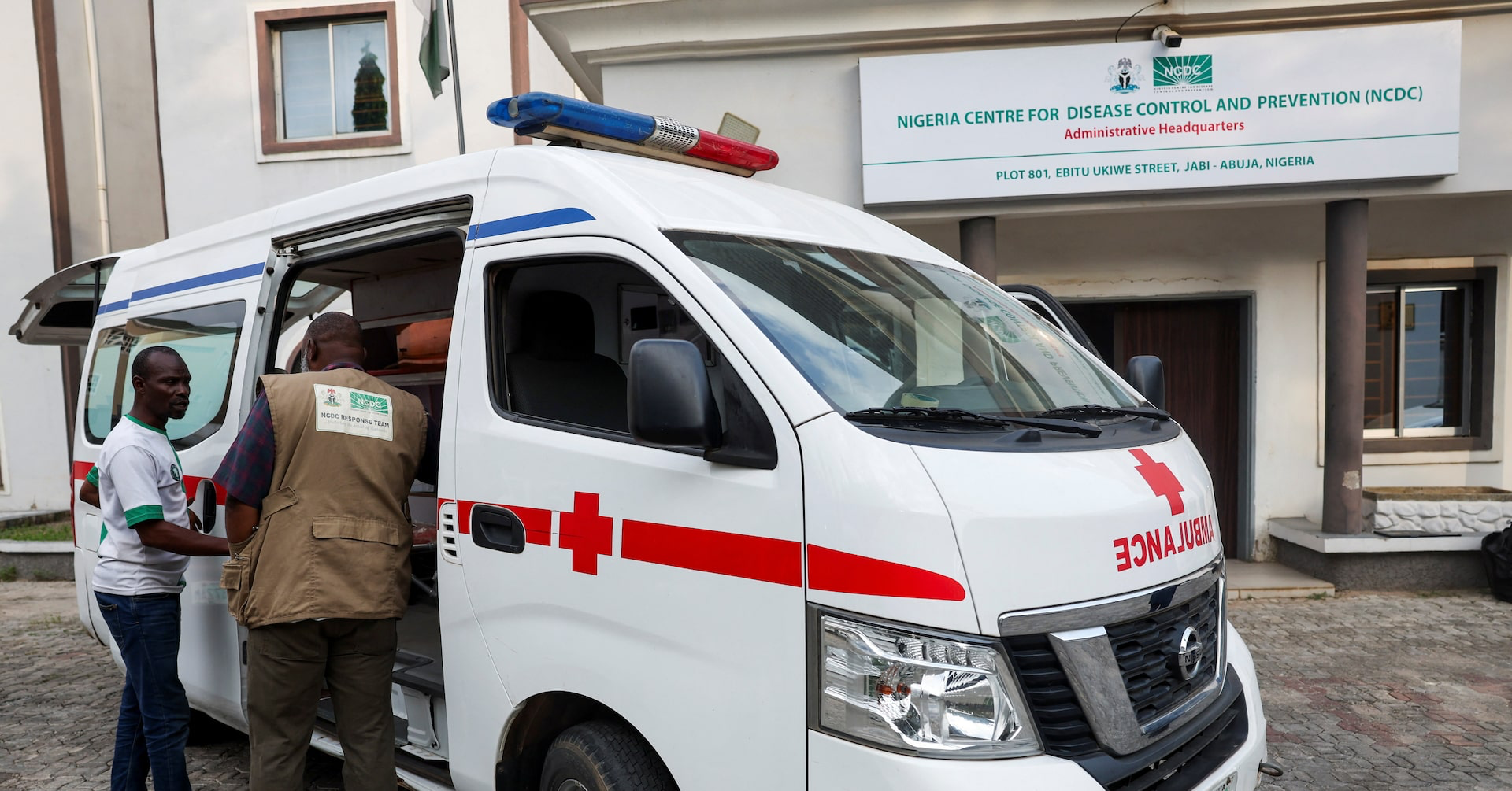
Nigeria is approaching a critical milestone in its response to an imported Ebola case as health authorities intensify monitoring of contacts and maintain heightened surveillance across the country. The Nigeria Centre for Disease Control and Prevention has confirmed that the 62 individuals linked to the sole verified infection are expected to complete their follow-up period by mid-November, marking a significant step toward declaring the incident fully contained.
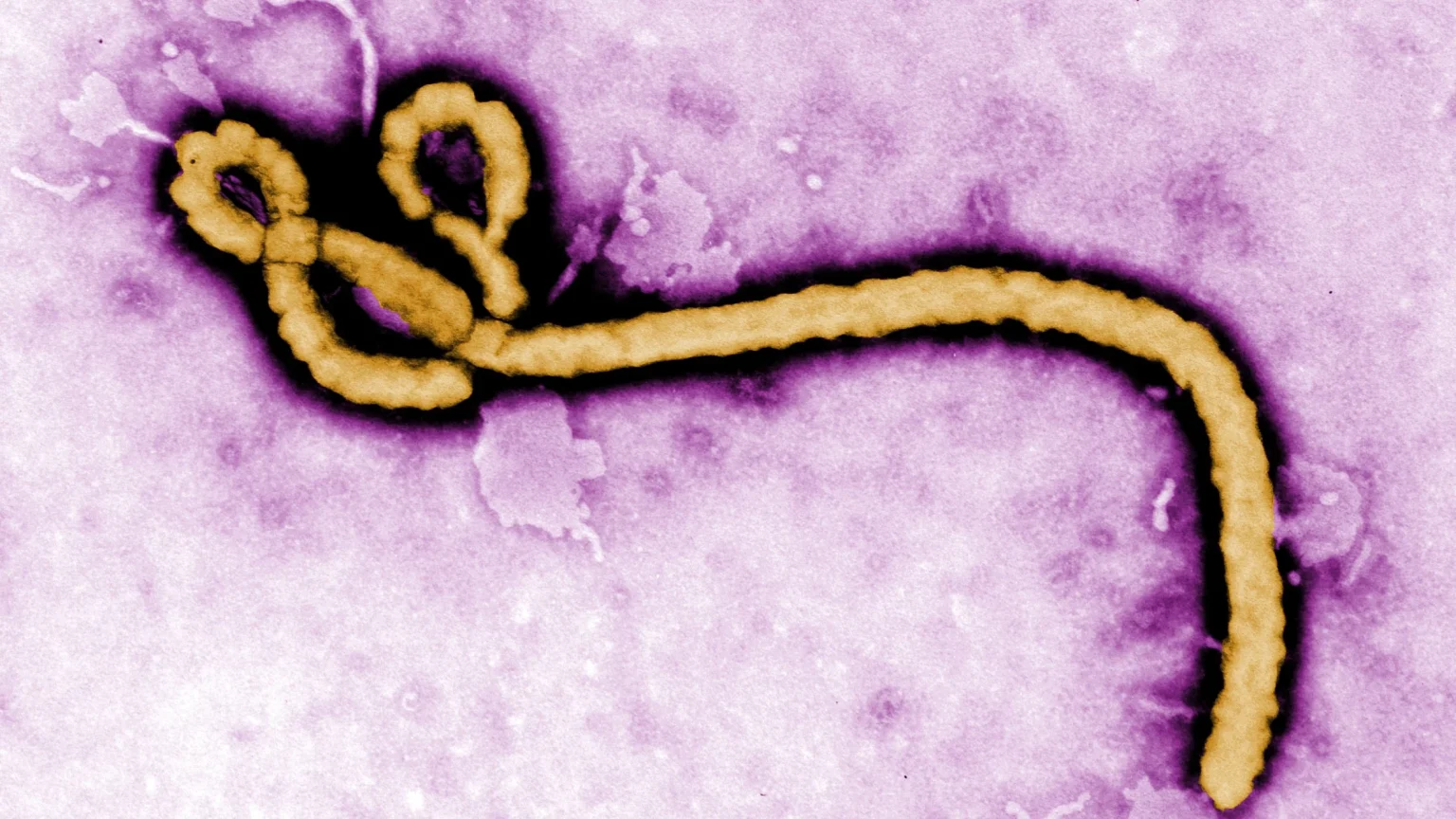
The single confirmed case involved a traveller who arrived in the Federal Capital Territory from Uganda earlier in October. Symptoms appeared several days after arrival, prompting the individual to seek care at a private health facility. Laboratory testing later identified the Bundibugyo strain of the Ebola virus, prompting immediate activation of national response protocols. The patient received specialised treatment in isolation, showed clear clinical improvement, and was subsequently evacuated for further care abroad. Authorities have repeatedly emphasised that no evidence of community transmission has emerged at any stage.
Contact tracing formed the backbone of the containment effort. Health teams identified and categorised individuals who had interacted with the patient, including healthcare workers, household members and others with varying levels of exposure. These contacts have been under active monitoring, with daily checks for symptoms and strict isolation where necessary. Officials report that the monitoring window for the last of these contacts is scheduled to close by 13 November. In parallel, two individuals presenting with suggestive symptoms in Adamawa State were promptly isolated and tested. Both samples returned negative results after repeated laboratory analysis, easing concerns of a secondary outbreak in the northeast.
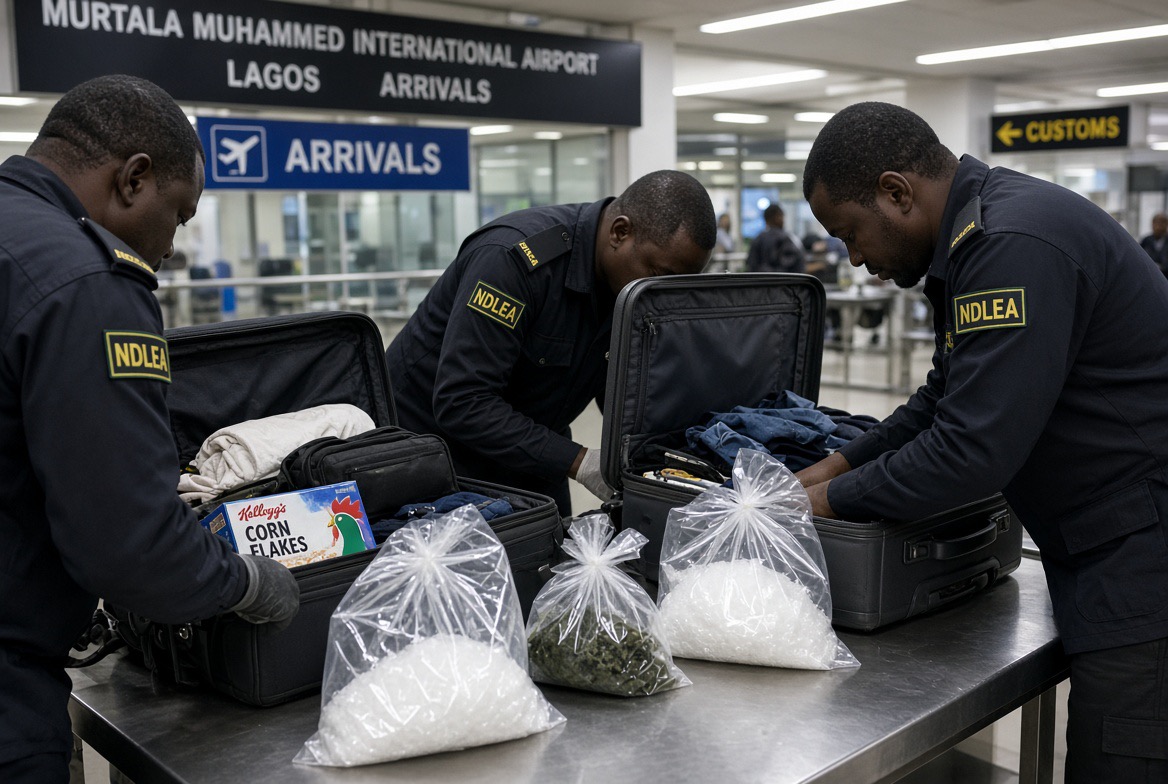
Throughout the response, the Federal Ministry of Health and the NCDC have coordinated closely with state authorities, strengthening surveillance at airports and other points of entry, placing isolation facilities on standby, and ensuring protective equipment and trained personnel remain available. Genomic sequencing was conducted to better understand the viral strain, while public messaging has focused on early care-seeking, particularly for travellers returning from affected regions. Government spokespersons have stressed that large public gatherings need not be cancelled at this stage, though contingency measures remain ready should the situation change.
Looking ahead, Nigeria must complete a standard 42-day observation period without new confirmed or probable cases before the World Health Organization can formally declare the outbreak over. Health officials have indicated that, provided no further infections are detected, this declaration could come in early December. The incident has nonetheless served as a real-world test of the country’s outbreak preparedness systems, highlighting both strengths in laboratory confirmation and areas where faster diagnosis and stronger state-level capacity could further reduce risk.
Beyond the immediate Ebola response, the episode unfolds against a backdrop of ongoing efforts to strengthen Nigeria’s broader health system. The Federal Government has continued disbursing resources through the Basic Health Care Provision Fund, directing substantial allocations toward primary healthcare facilities nationwide. Plans are advancing to extend direct financing to thousands of additional centres, with the goal of improving service availability at community level. Health insurance coverage has also expanded in recent years, bringing several million more citizens under financial protection and reducing out-of-pocket costs for essential care.
Workforce development remains another priority. Several states have moved to recruit and deploy additional frontline health workers, addressing longstanding staffing shortages that can undermine both routine services and emergency responses. Investments in facility readiness, including power supply improvements and infection prevention measures, are being scaled up to ensure hospitals and primary centres can handle both everyday needs and sudden disease threats. Officials have pointed to rising attendance figures at health facilities and gains in key indicators such as antenatal care and immunisation as early signs of progress.
The imported Ebola case has underscored the interconnected nature of global health security. With major outbreaks still active in parts of Central Africa, Nigerian authorities continue to treat vigilance as non-negotiable. Surveillance systems remain elevated, laboratory networks are on alert, and public health teams are prepared to respond rapidly to any new signals. At the same time, the measured and largely successful handling of this incident has reinforced confidence in the country’s ability to detect, contain and manage high-consequence pathogens when they appear.
As the final contacts complete their monitoring periods and the 42-day countdown progresses, attention will gradually shift from acute response to sustained preparedness. The experience has provided valuable lessons on the importance of timely diagnosis, robust contact tracing and seamless coordination between national and state structures. For ordinary Nigerians, the clearest message remains one of cautious reassurance: the risk from this particular incident is low and declining, yet the systems designed to protect public health must stay sharp and responsive.
In the weeks ahead, health authorities will continue publishing regular updates while maintaining the quiet, persistent work of surveillance, training and system strengthening that underpins long-term resilience. The successful containment of an imported Ebola case offers a measure of progress, but it also serves as a reminder that preparedness is an ongoing commitment rather than a one-time achievement.