FG confirms Ebola case in Abuja, traces 44 contacts
Nigeria’s Federal Government has confirmed one imported case of Bundibugyo Ebola in the FCT. The patient, who returned from Uganda, is stable in isolation. Health authorities have traced 44 contacts and activated emergency response measures to contain any possible spread.
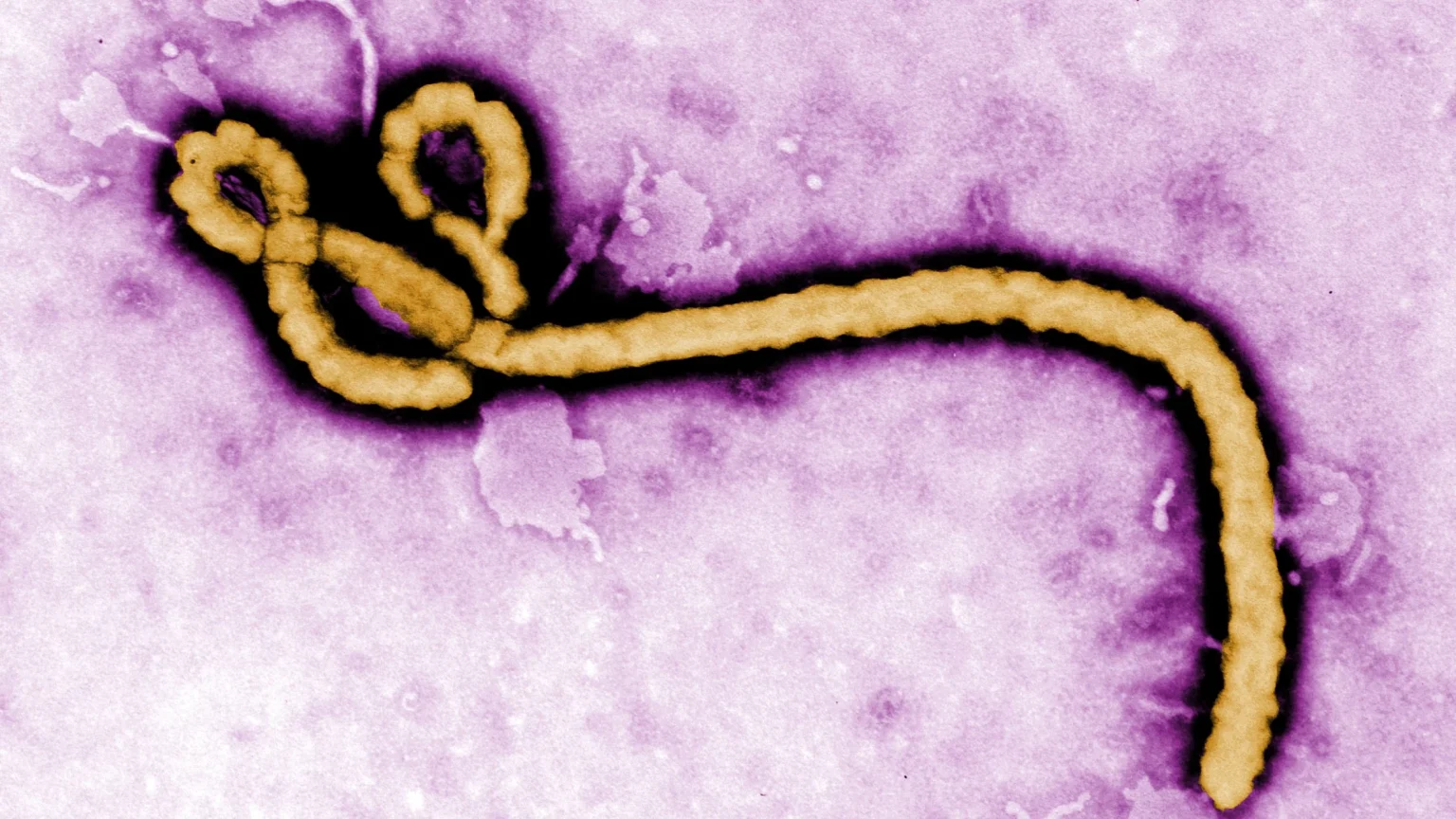
The Federal Government has confirmed one imported case of Ebola virus disease in the Federal Capital Territory, marking Nigeria’s first detection of the virus in the ongoing regional outbreak.
Coordinating Minister of Health and Social Welfare, Prof. Muhammad Ali Pate, announced on Tuesday that laboratory tests had confirmed the infection in a woman who recently arrived in Nigeria on an international flight from Uganda. The patient developed symptoms on October 7, four days after her arrival, and sought treatment at a private hospital in Abuja on October 11. She received care for several days before the diagnosis of Bundibugyo ebolavirus was confirmed on October 20.
The woman is currently in isolation and receiving medical care. Authorities described the case as imported and not yet evidence of community transmission.
Public health teams have identified 44 close contacts so far. These include healthcare workers, patients, caregivers and people who travelled with the patient. The contacts are being monitored and will remain under isolation or observation for the required period. Surveillance has been intensified, and the private hospital where the patient was treated is receiving support to strengthen infection prevention and control measures.
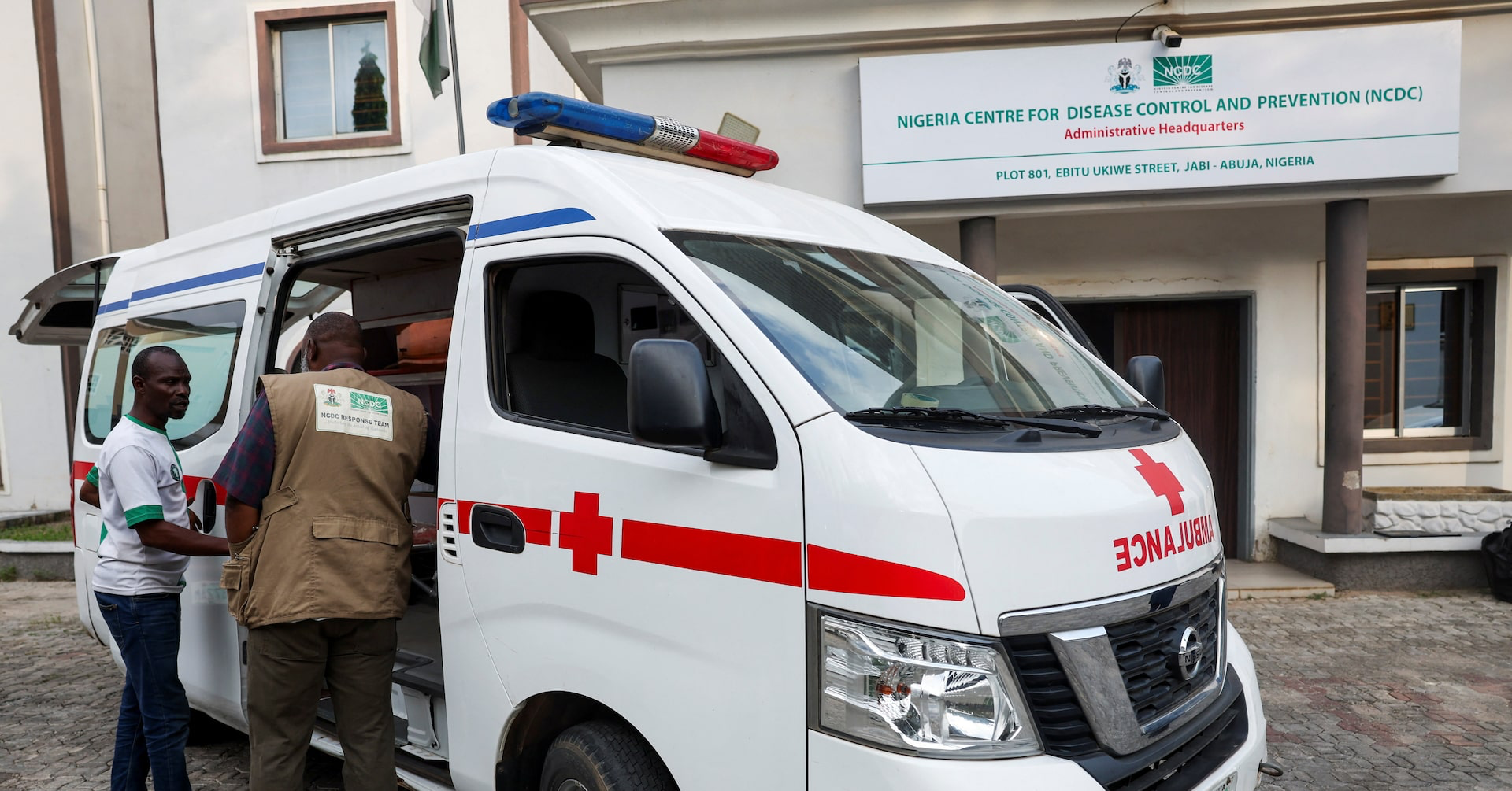
The Federal Ministry of Health and Social Welfare, the Nigeria Centre for Disease Control and Prevention (NCDC), and the FCT Health Services Secretariat are coordinating the response in collaboration with relevant partners. The NCDC has activated its incident management system to oversee containment efforts.
Prof. Pate urged Nigerians to remain calm, noting that the country successfully contained Ebola in 2014 and possesses the experience and systems needed to manage the current situation. He advised the public to practise regular handwashing, avoid contact with the blood or body fluids of anyone showing symptoms, and report suspected cases promptly.
Symptoms to watch for include fever, severe weakness, headache, vomiting and diarrhoea, particularly among those who may have been exposed.
The World Health Organization confirmed that Nigeria is the fifth country to detect the Bundibugyo strain since the outbreak was declared in the Democratic Republic of Congo in May 2026. WHO and partners are supporting Nigeria with case investigation, contact tracing, infection prevention and control, and the supply of protective equipment.
Authorities continue to investigate the patient’s full travel and exposure history while monitoring the situation closely.