Ebola Situation: No Active Cases, Monitoring Continues
Nigeria currently has no active Ebola cases after the medical evacuation of its only confirmed patient—a Swiss national who arrived from Uganda—and her husband to Switzerland in late October. The patient (Bundibugyo strain) was stabilised by Nigerian medical teams before evacuation.
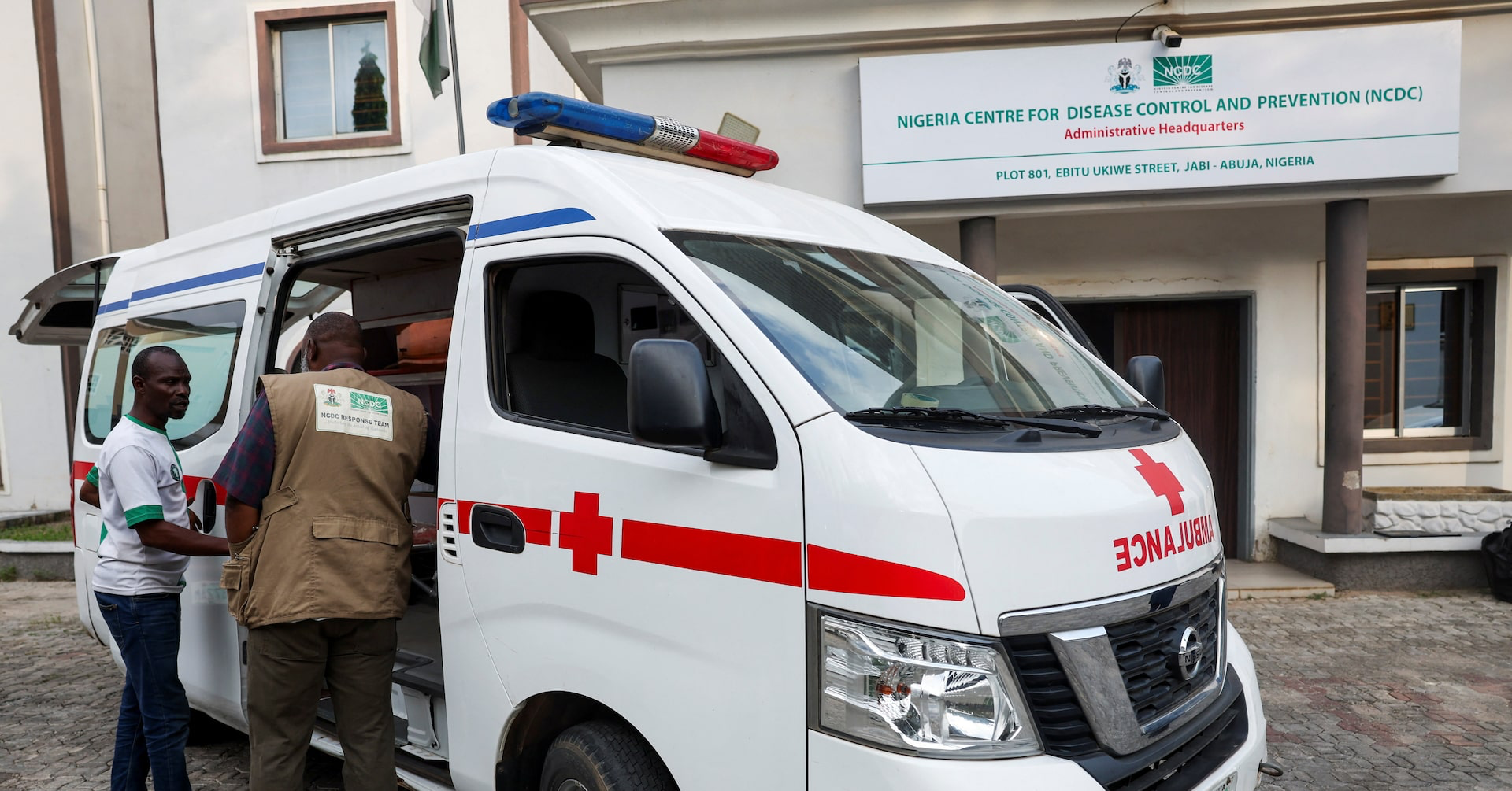
Nigeria currently stands free of active Ebola virus disease cases following the successful medical evacuation of its sole confirmed patient and her husband to Switzerland. Health authorities, led by the Nigeria Centre for Disease Control and Prevention (NCDC) in close coordination with the World Health Organization (WHO), have shifted focus to rigorous contact monitoring and sustained nationwide surveillance to ensure no secondary transmission occurs. The development marks a critical phase in what has been described as a tightly contained imported incident, testing the country’s post-2014 outbreak preparedness systems.
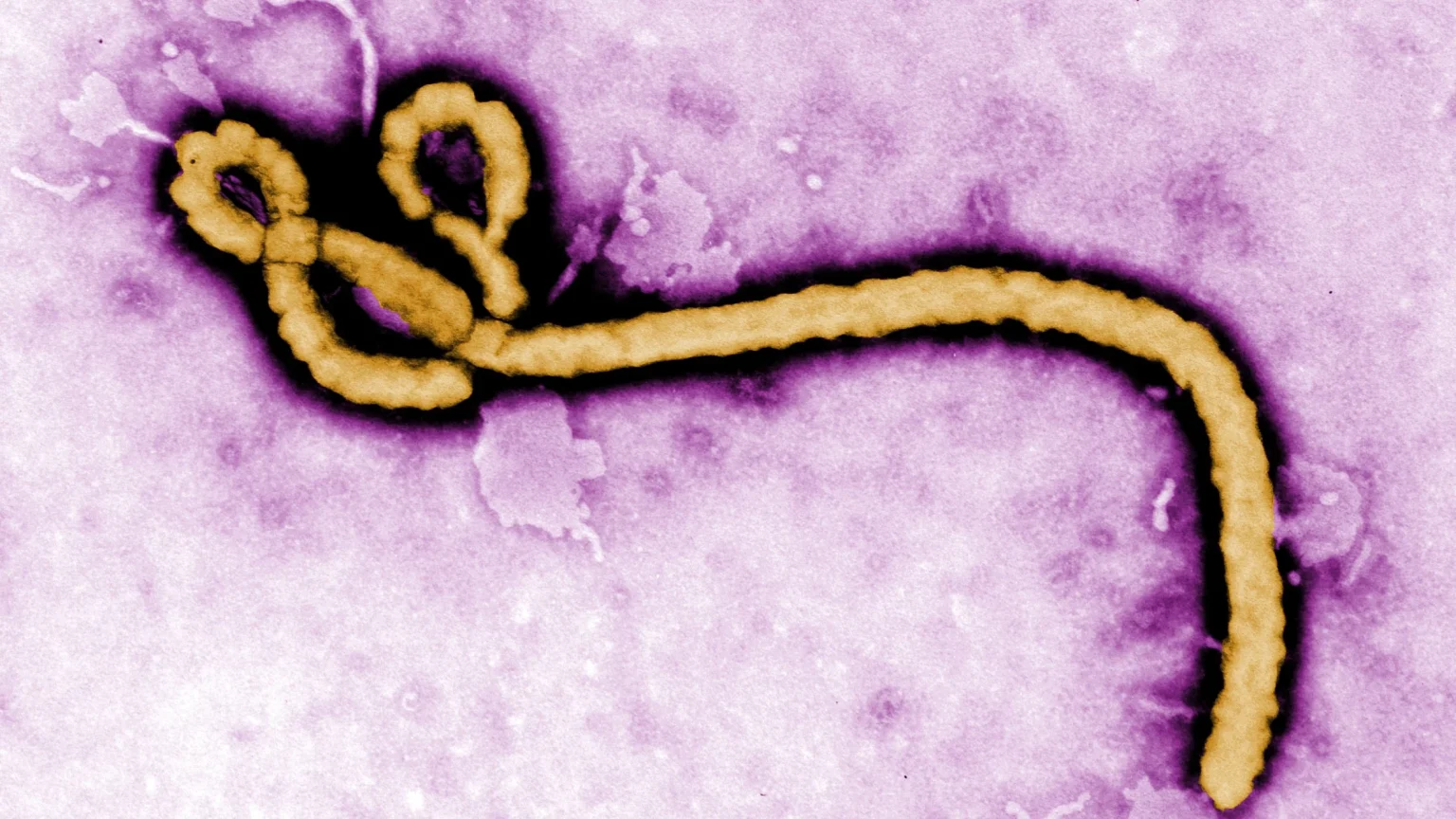
The index case involved a 42-year-old Swiss national who arrived in Abuja on 3 October 2026 after travelling from Uganda via Addis Ababa. Symptoms began around 7 October. She sought care at a private health facility on 11 October and was later confirmed positive for the Bundibugyo strain of Ebola on 20 October after laboratory testing. Nigerian medical teams managed her through the acute phase of illness, stabilising her condition before Swiss authorities requested and arranged medical evacuation. Both the patient and her husband, identified as one of the contacts, were flown out on an air ambulance in late October. WHO Regional Director for Africa, Mohamed Janabi, confirmed shortly afterward that with their departure, Nigeria had no remaining active cases.
According to Chikwe Ihekweazu, Executive Director of the WHO Health Emergencies Programme, the country must still complete a standard 42-day monitoring window before it can be officially declared free of Ebola. This period consists of 21 days of active follow-up for all identified contacts, followed by an additional 21 days to confirm the absence of any further transmission. Approximately 53 contacts linked to the patient—including healthcare workers, domestic staff, and the spouse—were listed, categorised by risk level, and placed under observation. Most remain in Nigeria and continue to be monitored by local teams, while Swiss authorities oversee the evacuated husband. Ihekweazu emphasised that these protocols are applied uniformly across countries facing similar incidents and are essential to rule out undetected chains of transmission.
Public health officials have repeatedly stressed that there is no evidence of community spread. The rapid detection of the imported case, isolation, contact tracing, and laboratory confirmation demonstrated improved readiness compared with earlier experiences. Genomic analysis linked the virus to strains circulating in East Africa, consistent with the patient’s travel history. In response, the national Incident Management System was activated at the highest level. States intensified surveillance at points of entry, health facilities, and transport hubs. Some states, including Kano and Yobe, strengthened monitoring at motor parks and borders, trained additional surveillance officers, and prepositioned infection prevention and control supplies.
A brief scare emerged on 30 October when two individuals in Yola, Adamawa State, presented with symptoms suggestive of viral haemorrhagic fever. The Adamawa State Public Health Emergency Operations Centre immediately isolated the patients, initiated contact identification, and collected samples. After two rounds of laboratory testing, both samples returned negative for Ebola. NCDC Director-General Dr. Jide Idris confirmed the results on 31 October and reiterated that the Federal Capital Territory case remains the only laboratory-confirmed infection recorded in Nigeria. He commended the state team’s swift response and urged the public to remain calm, rely solely on official channels for information, and avoid spreading unverified claims.
The broader response has included enhanced laboratory capacity for Ebola and related pathogens, simulation exercises, and reinforcement of isolation facilities. Nigeria maintains designated treatment centres and has experience managing haemorrhagic fevers through its ongoing Lassa fever programmes. Authorities have advised against cancelling public gatherings at this stage, noting that any future restrictions would be guided strictly by epidemiological evidence. President Bola Tinubu’s administration released emergency funding to support laboratory testing, protective equipment, and mobilisation of health workers. The Coordinating Minister of Health and Social Welfare, Professor Muhammad Ali Pate, has consistently reassured citizens that systems put in place since the 2014 West African outbreak enabled early detection and containment.
Despite the encouraging trajectory, officials caution that the 42-day countdown is not automatic. Any new confirmed or probable case would restart the clock. Health workers and the public have been reminded of classic symptoms—fever, severe weakness, headache, muscle pain, vomiting, diarrhoea, or unexplained bleeding—and the importance of seeking care promptly while disclosing travel or contact history. Self-medication is strongly discouraged. Simple preventive measures such as hand hygiene, safe burial practices if needed, and avoidance of contact with bodily fluids of sick individuals remain foundational.
Looking ahead, if no further cases are detected, Nigeria could approach the WHO criteria for declaring the outbreak over as early as the first week of December 2026. That provisional timeline depends on uninterrupted successful monitoring of the remaining contacts and continued negative results from any additional investigations. In the meantime, the NCDC, state ministries of health, and international partners continue daily coordination. The episode has underscored both the persistent risk of imported pathogens in an interconnected world and the value of sustained investment in surveillance, laboratory networks, and rapid response capacity.
For now, the message from health authorities is one of measured reassurance grounded in evidence: there are no active cases, the single imported infection was contained, recent suspected cases have been ruled out, and systematic monitoring is underway. Vigilance, transparent communication, and adherence to public health guidance will determine whether Nigeria closes this chapter cleanly and reinforces confidence in its ability to manage future threats.