Major raid on fake alcohol/energy drinks operation in Lagos
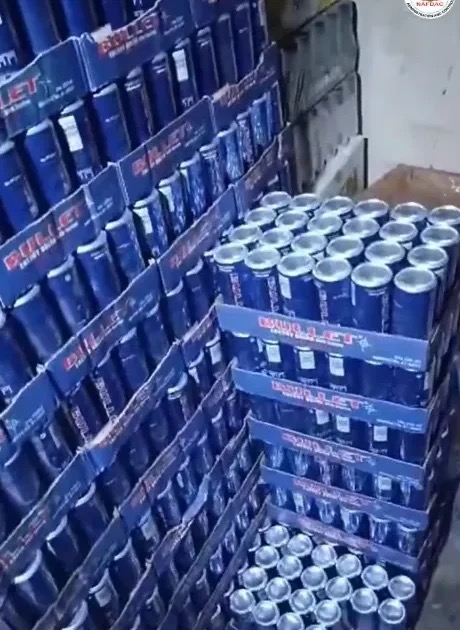
NAFDAC carried out a raid at the Trade Fair Complex in Lagos (Zamfara Plaza area, Ojo/Badagry Expressway) after receiving intelligence. Officers uncovered a major illegal operation involving the production and repackaging of counterfeit alcoholic and energy drinks across more than 20 hidden stores. The agency seized products valued at over ₦2 billi
The National Agency for Food and Drug Administration and Control (NAFDAC) on Tuesday dismantled a large-scale illegal production and packaging network for counterfeit alcoholic and energy drinks at the International Trade Fair Complex in Lagos. The operation, carried out by the agency’s Investigation and Enforcement Directorate, targeted a two-storey facility at Zamfara Plaza within the BBA Trade Fair Complex along the Badagry Expressway in Ojo.
Acting on credible intelligence and prior surveillance of suspected counterfeiters operating in the market, officers discovered more than 20 concealed stores hidden inside makeshift parking areas on the premises. Inside these locations, individuals were found blending fake versions of popular alcoholic beverage brands, transferring contents of expired or unsafe drinks into new containers for resale, and holding stocks of banned imported products. The seized items, valued at over ₦2 billion, were evacuated from the complex.
Two men, identified as Chibuzor Okafor and William John, were arrested during the raid. Officers recovered drums, filters, packaging materials, heating equipment, and other tools allegedly used in the illicit process. One of the suspects later claimed he was merely replacing bottles of drinks whose original containers had been damaged, stating that he worked as a drinks dealer in the market. NAFDAC officials, however, described the activities as a deliberate counterfeiting operation.
Kunle Ojo, Assistant Director in the Investigation and Enforcement Directorate, said some of the suspects were caught in the act of producing the drinks. He described the volume of materials found as alarming and noted that the timing of the raid was deliberate, coming ahead of the festive season when demand for alcoholic beverages typically rises. Ojo stressed that such products pose serious risks to public health because their ingredients and production conditions cannot be verified, and he warned that those involved were endangering lives for profit.
The agency sealed the facility and moved the recovered products and equipment to its warehouse for further examination and eventual destruction in line with standard procedures. Officials indicated that investigations would continue to identify the sources of the raw materials, the financiers behind the operation, and any other individuals involved. The arrested suspects face both administrative sanctions and criminal prosecution.
NAFDAC’s Deputy Director of Public Relations, Christiana Obiazikwor, described the action as part of the agency’s ongoing routine enforcement work across markets and suspected production sites. She noted that some operations are not immediately publicised to avoid tipping off suspects, and she urged members of the public to report suspected counterfeit activities directly to the agency rather than circulating unverified claims on social media. She assured informants that their identities would be protected.
Other officials, including the Head of Public Relations at the Investigation and Enforcement Directorate, emphasised that the operators had previously relocated after an earlier enforcement action but were tracked to the new site. They reiterated that NAFDAC remains actively engaged in removing unregistered, adulterated, and counterfeit products from the market.
The agency has called on traders, consumers, and the general public to stay vigilant and report any suspicious manufacturing, revalidation, or sale of regulated products through its official complaints line, 0800-1-NAFDAC (0800-1-623322). NAFDAC reiterated its commitment to protecting public health and warned that the circulation of counterfeit or expired drinks continues to pose a significant danger, particularly when such products re-enter the market under established brand names.