Drone strikes on displacement camp kill at least 15 people
At least 15 people, including five children, have reportedly been killed following drone strikes on a displacement camp in Ethiopia's Amhara region.
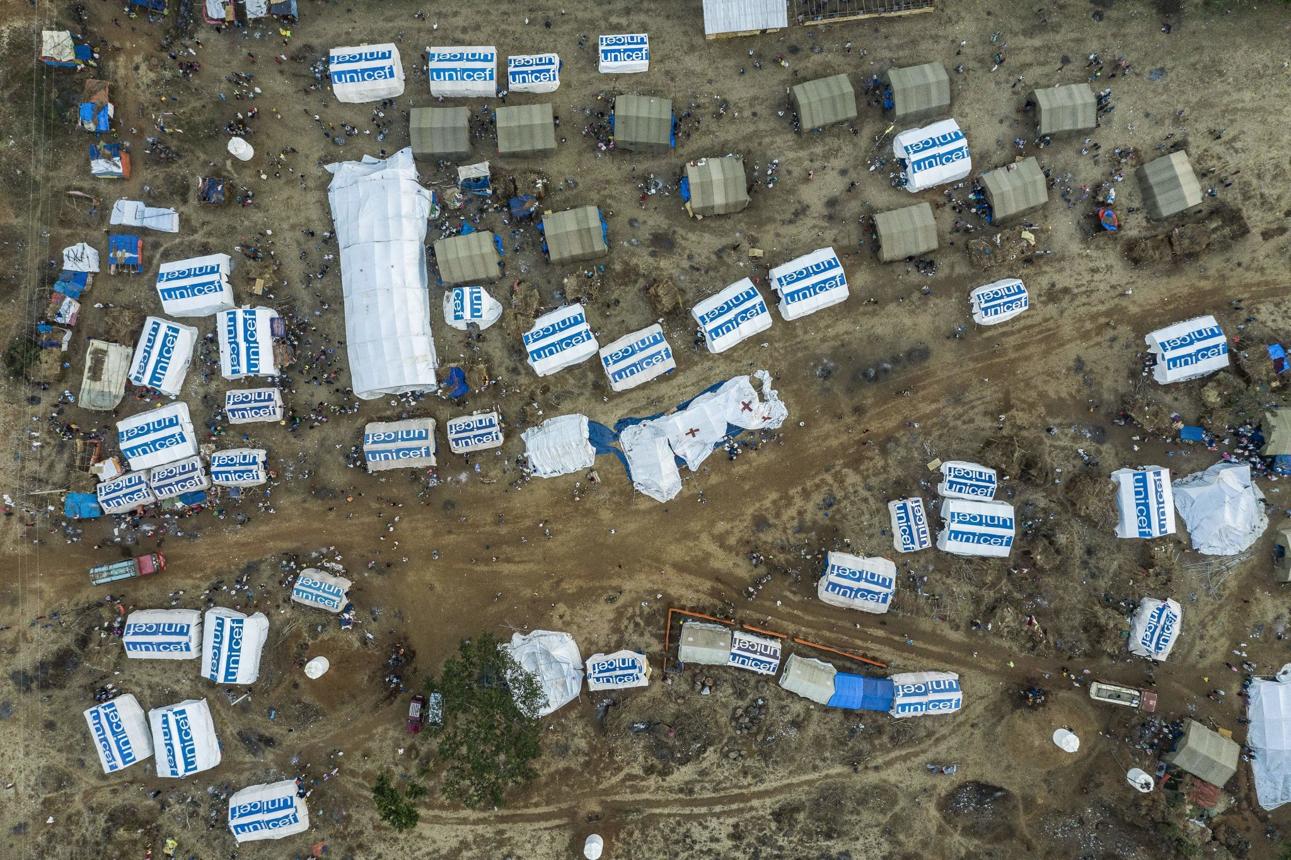
Drone Strikes on Displacement Camp Leave at Least 15 Dead, Raising Concerns Over Civilian Safety
At least 15 people have reportedly been killed following drone strikes that hit a displacement camp, in an incident that has renewed concerns about the safety of civilians living in areas affected by armed conflict.
The attack reportedly targeted a location where displaced people had sought refuge after being forced to leave their homes because of insecurity and violence. The deaths have raised fresh questions about the protection of vulnerable populations, particularly families, women and children who depend on temporary shelters for their safety.
Displacement camps are generally established to provide protection and basic assistance to people who have lost their homes or been forced to flee dangerous communities. However, incidents involving attacks on such facilities demonstrate how difficult it can be to guarantee civilian security in conflict-affected regions.
Although details surrounding the latest strikes remain limited, the reported death toll of at least 15 people highlights the devastating consequences that military operations can have on populations already experiencing severe hardship.
Displacement Camp Hit During Drone Attack
According to preliminary reports, the drone strikes struck a displacement camp, killing at least 15 people and leaving others potentially injured.
The circumstances surrounding the attack, including the precise time, location and intended target, have not been fully established in the information currently available. It is also unclear whether the victims were directly targeted or caught in the attack while taking shelter within the camp.
Drone technology has increasingly become part of modern military operations because it allows armed forces to monitor locations and carry out strikes from considerable distances. While these systems are often presented as tools for improving surveillance and targeting accuracy, their use in populated areas continues to generate serious concerns about civilian casualties.
In situations where displaced families are concentrated within temporary settlements, even a single strike can cause significant loss of life and destroy the limited resources available to survivors.
Vulnerable Families Face Increased Danger
People living in displacement camps are among the most vulnerable populations during armed conflicts. Many have already experienced the destruction of their homes, separation from relatives, loss of livelihoods and limited access to essential services.
For families who have fled violence, displacement camps are expected to offer temporary protection while humanitarian organisations and relevant authorities work towards safer living conditions.
An attack on such a settlement can therefore create another humanitarian emergency for people who have already lost almost everything.
The reported deaths are particularly concerning because displacement facilities often accommodate people who have limited opportunities to protect themselves or relocate quickly when violence occurs.
Children, elderly residents, pregnant women and people living with disabilities may face even greater difficulties escaping dangerous situations.
Beyond the immediate loss of life, survivors may experience psychological trauma, physical injuries and the destruction of essential belongings, including food supplies, clothing and personal documents.
The incident also raises concerns about whether adequate security arrangements and emergency response systems were available to protect residents when the strikes occurred.
Humanitarian Consequences Could Worsen
The reported attack could further complicate humanitarian operations in the affected area, especially if the camp has become unsafe for residents and aid workers.
Displacement settlements frequently depend on external assistance for food, clean drinking water, medical services, sanitation and temporary accommodation. When violence reaches these locations, the delivery of essential support can become difficult or completely disrupted.
Residents may be forced to abandon their shelters and search for alternative locations, creating additional pressure on nearby communities and humanitarian facilities.
Medical centres could also face increased demand if survivors require emergency treatment. In areas where healthcare infrastructure is already limited, responding to multiple casualties may place considerable pressure on available personnel and medical supplies.
Humanitarian organisations operating in conflict zones often face logistical difficulties, including damaged roads, restricted access, insecurity and shortages of essential resources.
If the displacement camp is no longer considered safe, aid agencies may also need to assess alternative accommodation arrangements for survivors.
The wider consequences could extend beyond the immediate casualties, particularly if the incident triggers another wave of displacement.
Growing Concerns Over the Use of Drones in Conflict
The reported incident has once again drawn attention to the increasing use of unmanned aerial vehicles, commonly known as drones, in military operations.
Drones have become important tools in modern warfare because they can conduct surveillance, gather intelligence and carry out targeted military operations without requiring pilots to operate directly inside dangerous areas.
However, their increasing use has also created concerns about the accuracy of intelligence, the identification of military targets and the possibility of civilian casualties.
International humanitarian law requires parties involved in armed conflicts to distinguish between civilians and combatants. It also prohibits deliberate attacks against civilians and civilian objects.
Military operations must follow the principles of distinction, proportionality and precaution. This means that armed forces must take all feasible measures to avoid civilian harm and must not launch attacks expected to cause excessive civilian casualties in relation to the anticipated military advantage.
Where civilian settlements are involved, these obligations become particularly important.
An independent investigation into the circumstances of the reported strikes would help establish what happened, whether the attack complied with international humanitarian law and whether those responsible should face accountability.
Calls for Investigation and Accountability
The reported deaths are likely to intensify demands for a transparent investigation into the incident.
Establishing the facts will require reliable information about the location of the camp, the parties involved in the conflict, the weapons used and the circumstances that led to the strikes.
Investigators may also need to determine whether the camp was clearly identified as a civilian settlement and whether adequate precautions were taken to minimise the risk to residents.
Accurate casualty records will be important in understanding the full extent of the damage. Information about missing people, injured survivors and the destruction of shelters should also be documented.
Where violations of international humanitarian law are established, appropriate accountability measures should follow.
Governments, military authorities and other parties involved in armed conflicts have responsibilities to ensure that their operations comply with applicable international legal standards.
Protection of Displaced People Must Remain a Priority
The incident highlights the urgent need to strengthen protections for people forced to flee their communities because of armed violence.
Displaced populations should not be exposed to additional dangers simply because they are living in temporary shelters rather than their permanent homes.
Authorities and humanitarian organisations must work together to improve early-warning systems, emergency evacuation arrangements, access to medical assistance and the security of displacement facilities.
Greater attention should also be given to ensuring that humanitarian workers can safely reach affected communities and provide essential assistance without unnecessary restrictions.
For survivors of the reported attack, immediate priorities include emergency medical care, safe accommodation, access to food and clean water, and psychological support.
Longer-term assistance will also be necessary to help affected families rebuild their lives and regain access to education, healthcare and sustainable sources of income.
Conclusion
The reported drone strikes that killed at least 15 people at a displacement camp represent another serious concern for civilian protection in conflict-affected areas.
For people who have already been forced from their homes, displacement facilities should provide a measure of safety and stability. When such locations are affected by military attacks, the consequences can be devastating for entire families and communities.
As further details emerge, attention will remain on the circumstances surrounding the incident, the identity of those responsible and the steps being taken to assist survivors.
A credible investigation, effective humanitarian support and stronger protection measures are essential to prevent further loss of innocent lives.
Ultimately, civilians who have fled violence should not have to fear that the places intended to shelter them could become scenes of another tragedy.