Ex-Defence Intelligence chief accuses top officials of sponsoring terrorism
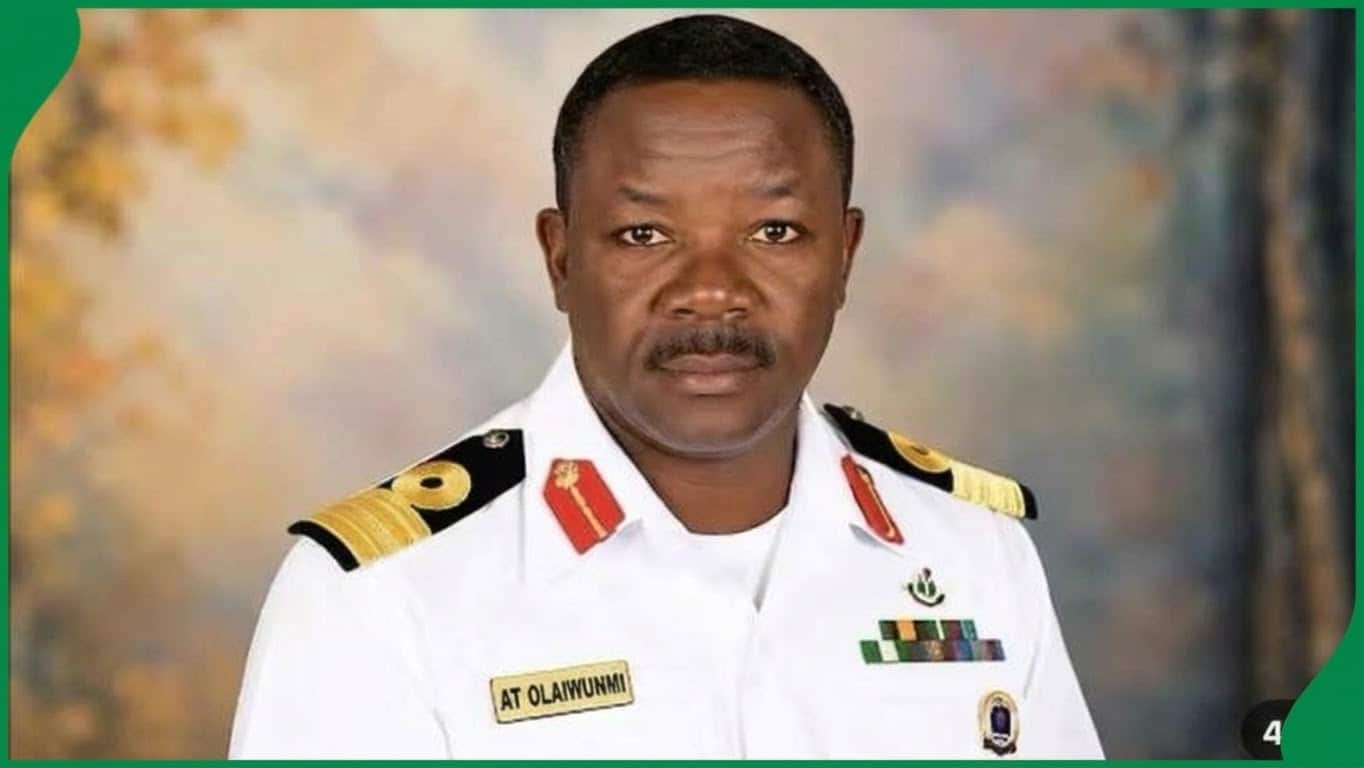
Retired Commodore Kunle Olawunmi, former Commandant of the Defence Intelligence College, has claimed that some high-ranking Nigerian officials — including senators, governors, and ministers — are actively sponsoring terrorism.
Ex-Defence Intelligence Chief Accuses Top Government Officials of Sponsoring Terrorism in Nigeria
Nigeria’s ongoing battle against terrorism and insecurity has attracted fresh attention following serious allegations by a retired senior military officer, who claims that some influential government officials are allegedly involved in sponsoring terrorist activities across the country.
Retired Commodore Kunle Olawunmi, a former Commandant of the Defence Intelligence College, has accused some Nigerian public officials, including senators, governors and ministers, of allegedly supporting activities that threaten the country’s national security. His comments have reignited concerns about the possible involvement of individuals within the political establishment in the security challenges confronting the nation.
Olawunmi made the allegations during an interview with media personality and political scientist Edmund Obilo. During the conversation, the retired naval officer questioned how individuals entrusted with protecting citizens could allegedly become part of activities that undermine the safety and stability of the country.
According to him, the government possesses what he described as overwhelming evidence against some individuals occupying important political positions. He also suggested that the authorities were already aware of the alleged activities but had yet to take sufficient action against those reportedly involved.
The former defence intelligence official expressed disappointment over what he described as a contradiction between the responsibilities of public office holders and their alleged involvement in activities that threaten national security.
He argued that individuals elected or appointed to protect the welfare of Nigerians should not become sources of instability in the communities and institutions they are expected to serve.
Allegations Against Senators, Governors and Ministers
One of the most significant aspects of Olawunmi’s comments was his reference to individuals occupying some of the country's most influential political positions.
He specifically mentioned senators, governors and ministers while discussing the alleged sponsorship of terrorism. According to him, the involvement of people holding such positions, if established, would represent a serious betrayal of public trust.
The retired officer questioned how individuals entrusted with public responsibilities could allegedly support activities directed against the same citizens they were elected or appointed to protect.
He maintained that terrorism sponsorship should not be viewed exclusively as an activity carried out by armed groups operating in forests, remote communities or other locations outside government institutions.
His comments suggest the need to examine possible financial, political and logistical networks that could sustain violent organisations.
However, Olawunmi did not publicly identify the senators, governors or ministers he was referring to during the reported interview. He also did not provide specific documents, financial records or other publicly accessible evidence to substantiate the allegations in the remarks reported by the media.
Consequently, his statements remain allegations that require independent investigation and verification rather than established findings of criminal responsibility.
Government Awareness Raises Accountability Questions
Another important aspect of the retired officer's comments was his claim that the Nigerian government was aware of the alleged involvement of certain public officials in terrorism sponsorship.
This assertion has raised questions about the responsibilities of security agencies and government institutions in addressing suspected threats to national security.
Nigeria operates several security and intelligence institutions responsible for gathering information, investigating criminal networks and preventing threats to the country's stability.
These include the Department of State Services, the Defence Intelligence Agency, the Nigerian Police Force and other relevant security organisations.
Their responsibilities include identifying individuals or networks suspected of financing terrorism, investigating credible intelligence and ensuring that appropriate legal action is taken against anyone found culpable.
If credible intelligence exists against influential individuals, Nigerians would reasonably expect the relevant authorities to investigate the information professionally and independently.
Nevertheless, intelligence information must be properly examined before accusations can translate into criminal charges. Allegations involving public officials are particularly sensitive because of their potential political, legal and national security implications.
Olawunmi's comments have therefore placed renewed attention on the importance of transparency, institutional accountability and the willingness of government agencies to investigate suspected wrongdoing regardless of an individual's political influence.
Nigeria's Persistent Security Challenges
The allegations come against the background of Nigeria's prolonged struggle with terrorism, insurgency, banditry, kidnapping and other forms of violent criminal activity.
For years, several communities across the country have experienced attacks by armed groups, resulting in deaths, displacement, destruction of property and disruption of economic activities.
In the North-East, insurgent organisations have continued to pose security challenges despite years of military operations. Communities in parts of the North-West and North-Central regions have also faced attacks, kidnappings and threats from armed groups.
These security problems have affected agriculture, education, transportation, commercial activities and access to essential services.
Farmers in affected communities have sometimes been unable to access their farmlands because of security threats, while families have been forced to abandon their homes in search of safer environments.
The consequences extend beyond the immediate victims. Businesses experience disruptions, food production is affected, investment confidence weakens and government resources are diverted towards emergency security operations.
Although Nigeria has continued to deploy military personnel and other security resources to address these challenges, the persistence of violent attacks has generated public frustration and demands for more effective solutions.
Against this background, allegations that influential individuals could be financing or supporting terrorist organisations are likely to attract considerable public interest.
Why Terrorism Financing Requires Serious Investigation
Security experts generally recognise that terrorist organisations depend on financial and logistical networks to maintain their operations.
Such networks may involve funding, weapons procurement, transportation, communication equipment, recruitment and other forms of assistance.
Investigating terrorism financing therefore requires more than military operations against armed groups. Authorities must also examine the individuals and organisations that may provide resources or support to violent networks.
Financial intelligence, banking records, credible witness accounts, digital evidence and international cooperation can help investigators identify suspicious transactions and establish possible connections between financial activities and terrorist organisations.
In Nigeria, strengthening the investigation of terrorism financing is particularly important because armed groups can exploit weaknesses in financial monitoring, border security and law enforcement.
However, investigations must be based on verifiable evidence rather than political assumptions or public speculation.
Anyone suspected of supporting terrorism should be subjected to a lawful investigation, with appropriate evidence presented before the courts. Equally, individuals accused without sufficient evidence must be protected from unjustified public condemnation.
Calls for Transparency and Institutional Accountability
Olawunmi's allegations have renewed discussions about the need for greater accountability among public office holders and stronger oversight of security institutions.
For many Nigerians, the central concern is whether individuals with significant political influence can be investigated and prosecuted when credible evidence suggests involvement in serious criminal activities.
Public confidence in national security institutions depends partly on their ability to operate independently and apply the law without favouritism.
If an individual is suspected of financing terrorism, their political position, financial resources or connections should not prevent a proper investigation.
At the same time, security agencies must avoid turning intelligence information into instruments of political intimidation. Investigations should remain professional, evidence-based and consistent with constitutional protections.
The National Assembly, relevant security committees and other oversight institutions also have responsibilities in ensuring that public resources allocated to security operations are properly managed.
A transparent system of accountability would help strengthen public confidence and demonstrate that the fight against terrorism is not limited to confronting armed groups but also includes addressing the networks that may sustain them.
What Happens Next?
Following the reported interview, attention is likely to remain on whether the relevant authorities will respond to the allegations and establish whether any actionable intelligence supports the claims.
Olawunmi's position as a retired senior military officer and former Commandant of the Defence Intelligence College gives his comments considerable public significance. Nevertheless, his previous military experience does not automatically establish the accuracy of every allegation he makes.
The most important question is whether the authorities can independently verify the claims and take appropriate action where sufficient evidence exists.
As of the publication of the reports reviewed for this article, the officials allegedly involved had not been publicly identified by Olawunmi in the reported remarks, and the claims had not been independently established through a judicial finding.
The government and relevant security agencies would therefore need to clarify whether investigations have been conducted into the specific allegations and whether any evidence can be lawfully acted upon.
Nigeria's fight against terrorism requires cooperation between security institutions, political leaders, communities and the general public. It also requires strong institutions capable of investigating wrongdoing without fear or favour.
Ultimately, the allegations made by the former defence intelligence official present an opportunity for renewed scrutiny of terrorism financing and national security accountability.
For a country that has endured years of insecurity, Nigerians deserve credible answers, transparent investigations and concrete action against anyone proven to be involved in sponsoring violence.
The responsibility of protecting citizens must remain above political interests, personal connections and institutional considerations.