Kano Local Government Procures ₦2.5 Million Drugs for Children with Fever and Cough
Makoda Local Government in Kano State has bought medicines valued at ₦2.5 million to treat children suffering from fever and cough. The drugs will be distributed within the council area as part of efforts to address common childhood illnesses. The development comes alongside broader national health actions, including NAFDAC’s recent seizure.
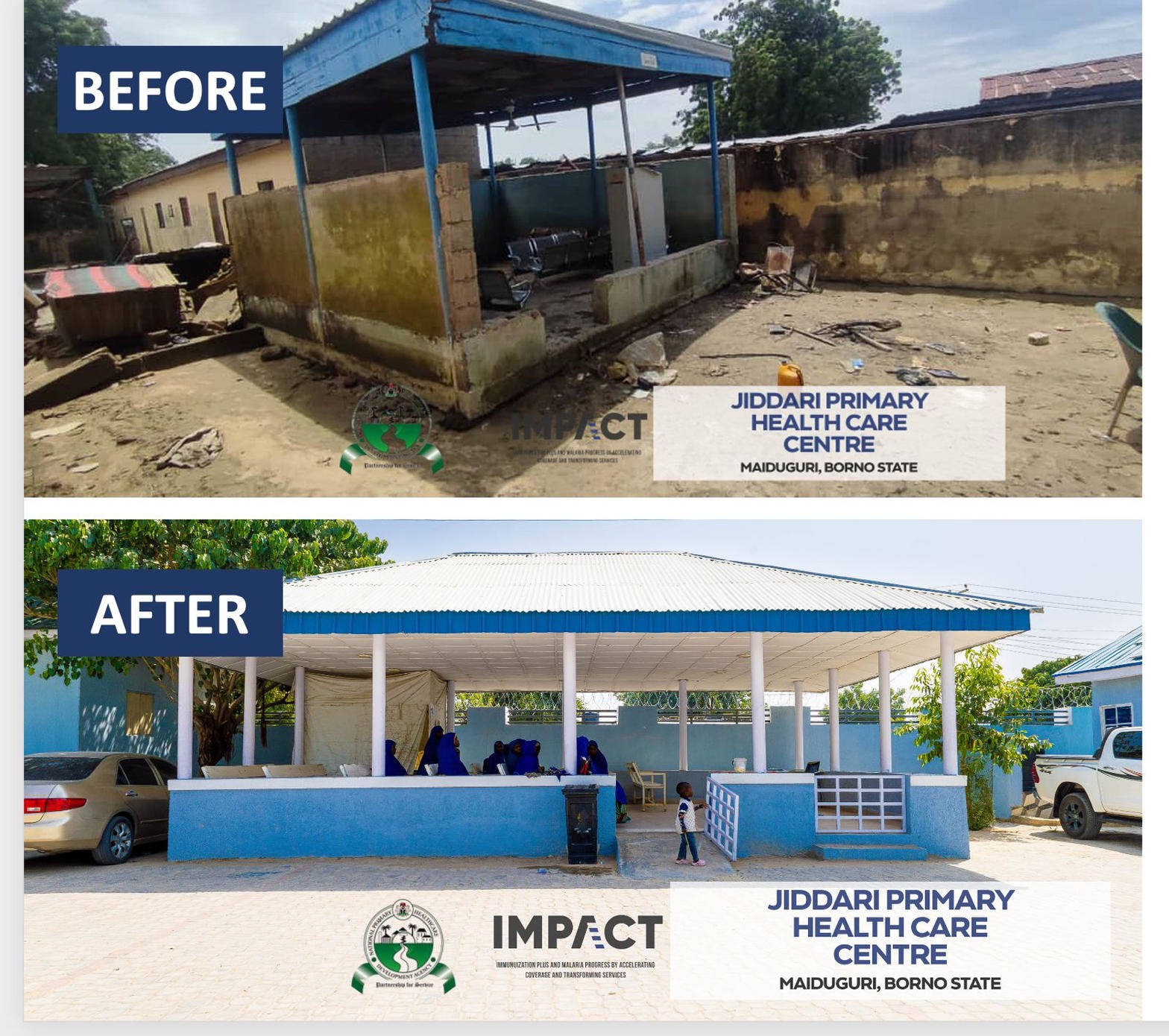
Makoda Local Government Council in Kano State has procured drugs worth ₦2.5 million specifically for the treatment of fever and cough among children in the area. The medicines are expected to be distributed to health facilities and affected communities within the council as part of a targeted response to common childhood illnesses.
Local authorities say the purchase is aimed at reducing the burden of these frequent ailments on families, many of whom struggle with the cost of treatment. Fever and cough remain among the leading reasons parents take young children to primary health centres across Kano, and the council’s intervention is intended to improve access to basic medication at the grassroots level.
The move comes at a time when health authorities at both state and federal levels are focusing on strengthening primary healthcare. Recently, the Federal Government approved over ₦40 billion for the Basic Health Care Provision Fund for the third quarter of 2026, an increase from the previous quarter, while also extending health insurance coverage to tens of thousands of inmates. Plans are also underway to expand the number of supported primary healthcare facilities nationwide.
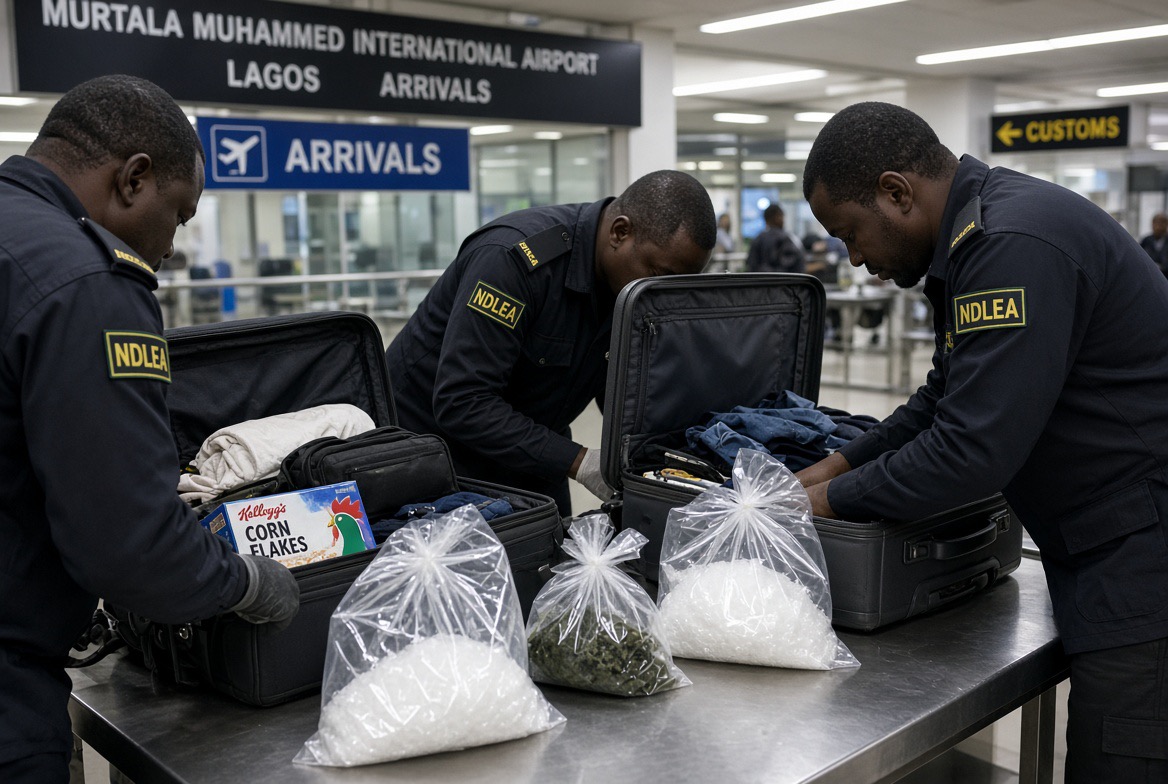
In related developments, the National Agency for Food and Drug Administration and Control (NAFDAC) has seized 821 contaminated products and made 52 arrests in the past eight months, underscoring ongoing concerns about the quality of medicines and food items in circulation. Separately, an NGO has launched research into genetic mutations linked to aggressive breast cancer among women in Nigeria’s Northeast, highlighting broader efforts to understand and address rising cancer cases.
Health experts note that while local drug procurement helps address immediate needs, sustained improvements in childhood health require consistent funding, trained personnel, and reliable supply chains. Makoda’s ₦2.5 million intervention is therefore seen as a practical step at the local government level, even as larger systemic challenges in Nigeria’s health sector remain.
Further distribution details and any impact assessment of the drugs are expected from the council in the coming days.