Wall Street Closes Higher as Investors Rotate Away from AI Stocks Amid Hot Inflation Data
U.S. stocks closed higher on Thursday, led by the Dow’s 1.08% gain to 52,178, as investors rotated out of AI and technology shares into healthcare and consumer stocks. The move followed hotter-than-expected inflation data and remarks from Federal Reserve Chair Kevin Warsh that reduced expectations of an immediate rate hike.
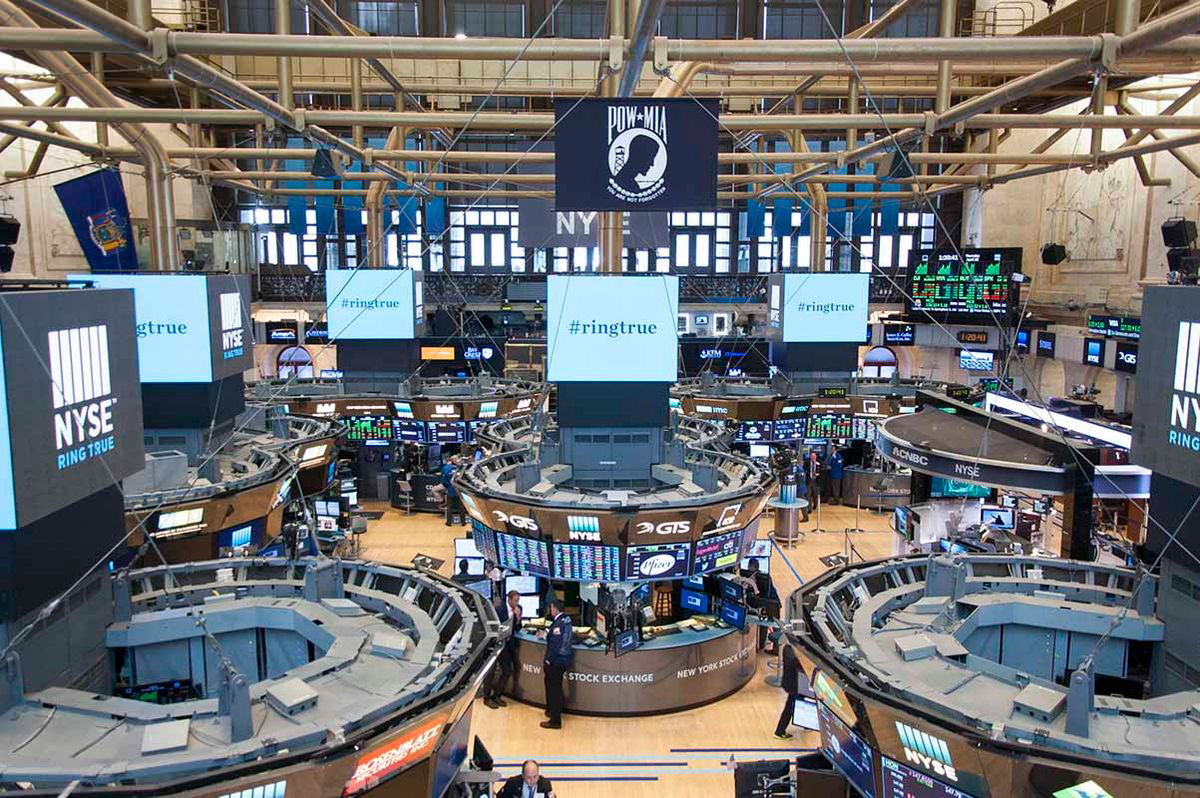
U.S. equity markets closed higher on Thursday, October 15, 2026, as investors moved money out of technology and artificial intelligence-related shares and into healthcare, consumer, and other defensive sectors. The Dow Jones Industrial Average led the gains, rising 1.08 percent to finish at 52,178. The S&P 500 added 0.33 percent to close at 7,744, while the Nasdaq Composite managed a modest 0.08 percent increase to end at 26,713.
The session began under pressure after the release of September producer price data showing a 1.3 percent monthly increase, the largest rise in more than four years, and an annual rate of 6.3 percent. The figures exceeded economists’ forecasts and followed a hotter-than-expected consumer price report earlier in the week, reinforcing concerns that inflation remains stubborn. Several technology and semiconductor stocks initially declined as investors worried about the impact of higher borrowing costs on companies that have taken on substantial debt to fund AI infrastructure projects.
Sentiment improved later in the day after Federal Reserve Chair Kevin Warsh avoided signaling any immediate urgency to raise interest rates further. His measured comments during a moderated discussion led traders to reduce bets on a near-term rate hike, prompting a sharp drop in Treasury yields. The benchmark 10-year yield fell roughly 11 to 13 basis points, providing relief to equities and supporting a rotation into sectors viewed as more resilient in a higher-rate environment.
Healthcare stocks were among the strongest performers. Eli Lilly rose more than 3 percent, UnitedHealth Group climbed about 2.8 percent, and Walmart added 1.4 percent after receiving rating upgrades. In contrast, shares of major chipmakers and AI-related companies remained under pressure, with some extending multi-day declines despite Taiwan Semiconductor Manufacturing Co. reporting another record quarterly profit.
Market participants also noted that the rebound in the major indexes helped reverse part of Wednesday’s losses, when the S&P 500 had fallen more than 1 percent. Futures trading into Friday suggested a calmer open as investors digested the latest inflation numbers and awaited additional corporate earnings reports. Attention remains focused on the Federal Reserve’s next policy meeting later this month, with traders now assigning a higher probability that rates will be left unchanged in October while still pricing in a possible increase by December.