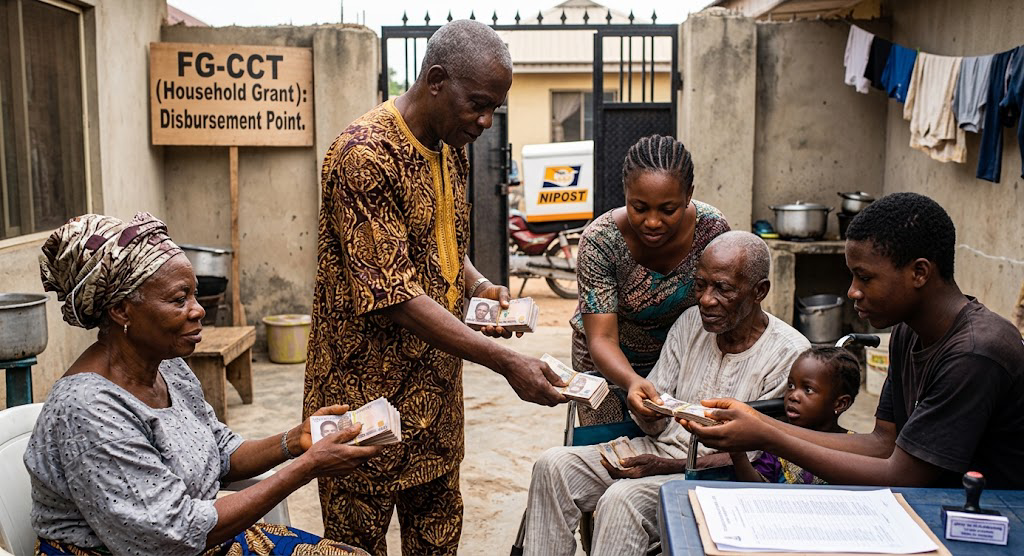
Food Prices Are Falling at Harvest, but Farmers Aren't Celebrating
Cheaper food is good news for families, but farmers say rising costs and insecurity are eating up their gains. Here is what is happening and why it matters.
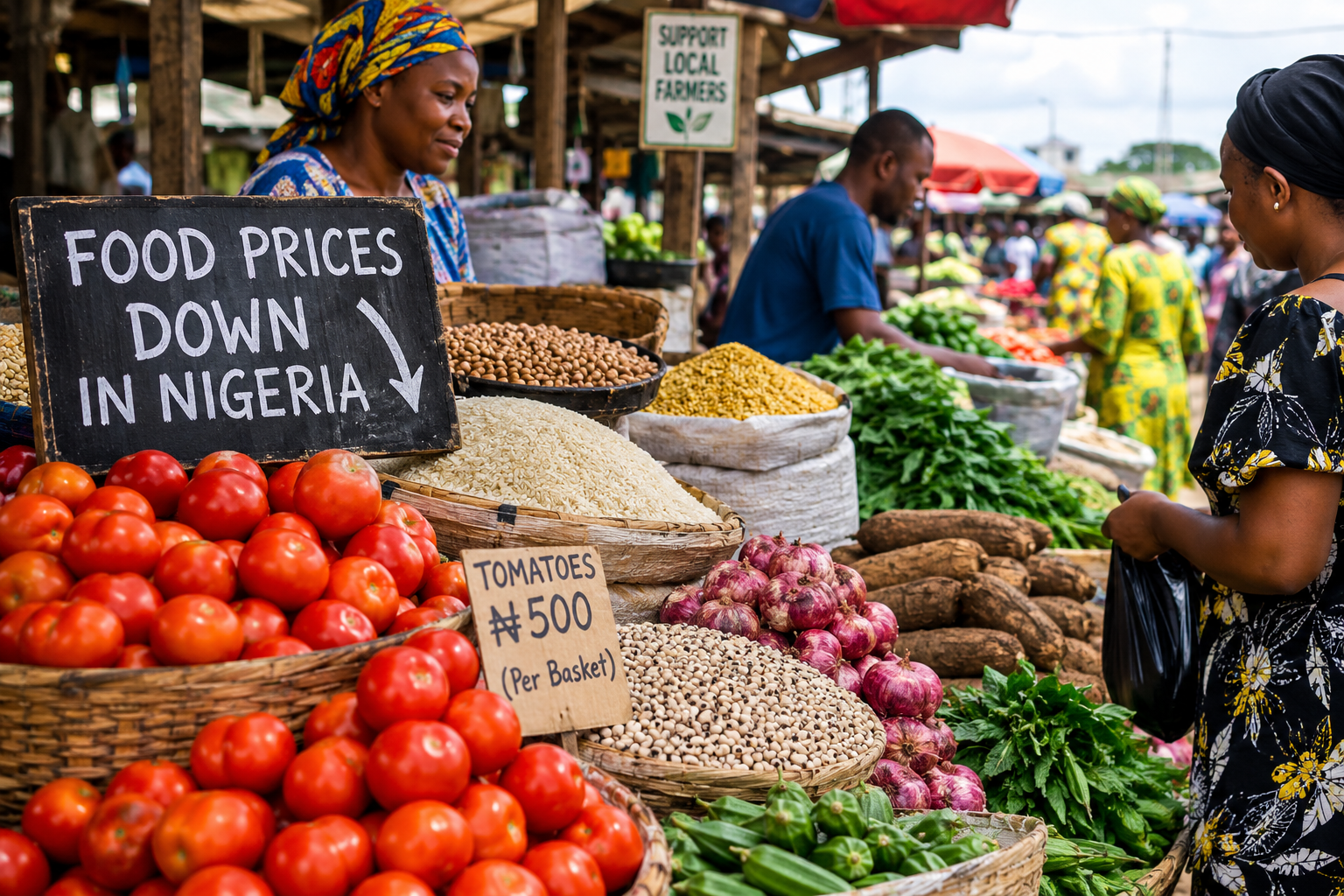
Food Prices Drop Across Nigerian Markets as Harvest Season Boosts Supply
Nigerian consumers are beginning to experience some relief in the cost of food, as the prices of several commonly consumed staples declined in September 2026. The drop has been largely attributed to increased supplies from the harvest season, which have brought more agricultural produce into markets across the country.
Market traders say the improved availability of cereals, legumes and some root crops has contributed to lower prices. At the same time, relatively weak consumer demand has limited traders’ ability to increase prices.
Tomato prices may also follow the same trend. The Tomatoes and Orchard Producers Association of Nigeria (TOOPAN) projected that prices could begin to decline from October 2026 as fresh produce from new harvests reaches the market.
While the development offers welcome relief to households struggling with food expenses, the situation presents a different challenge for farmers, who may find themselves earning less despite producing more.
Lower food prices raise concerns for farmers
Although cheaper food benefits consumers, falling market prices can leave farmers struggling to recover the money spent on production.
During previous harvest seasons, some farmers reported that bumper harvests had failed to translate into meaningful profits. They attributed the situation to an oversupply of produce and rising farming expenses, particularly following the removal of fuel and fertiliser subsidies.
The Federal Government has also recognised the challenges facing agricultural producers. In January 2026, the government acknowledged that the prices of some food products had fallen below their production costs and pledged to provide support.
The Minister of Finance also warned that persistently low prices could discourage farmers from continuing production, potentially reversing the progress made in improving food availability.
Rising production costs remain a major challenge
Despite the increased supply of some food items, the cost of agricultural inputs continues to place pressure on farmers.
The United Nations Food and Agriculture Organization (FAO) has warned that high input prices could constrain cereal production in 2026. Meanwhile, projections from the United States Department of Agriculture indicate that Nigeria’s maize harvest for the 2026–2027 season could reach approximately 10.9 million tonnes, representing a decline of about five per cent compared with the previous season.
These concerns highlight the delicate balance between increasing food supply, keeping market prices affordable and ensuring that farmers can continue producing profitably.
Food insecurity remains a serious concern
Despite the recent decline in the prices of some staples, millions of Nigerians continue to face severe difficulties accessing sufficient food.
According to AGRA, approximately 36.3 million Nigerians were experiencing crisis-level food insecurity or worse in August 2026, placing Nigeria at the top of the 17 African countries monitored in its report.
Insecurity in farming communities is another factor threatening the country's food supply. In late 2025, farmers’ leaders warned that increasing kidnappings in states including Kwara, Plateau, Taraba and Niger could disrupt farming activities and affect food production in 2026.
When farmers are unable to access their fields safely, agricultural output can suffer, creating further uncertainty about the availability and affordability of food in the months ahead.
What this means for Nigerian households
The decline in food prices during the harvest season offers some relief to families dealing with the rising cost of living. However, the improvement may not last if farmers continue to face high production costs and struggle to make a profit.
When agricultural production becomes financially unsustainable, some farmers may reduce the size of their farms or plant less in subsequent seasons. This could eventually reduce food supplies and push prices upward again.
For lower food prices to be sustained, experts and industry stakeholders point to the need for more affordable farming inputs, improved security in agricultural communities and better storage and transportation systems to reduce post-harvest losses.
Ultimately, Nigeria’s food challenge is not simply about making food cheaper today. It is also about ensuring that farmers can earn enough to keep producing, while households can afford the food they need.
Sources: Legit.ng, FreshPlaza/TOOPAN, Gazette, AllAfrica, FAO GIEWS, World-Grain and Nairametrics.