Presidency vs Makinde over ₦250bn NLNG dividend
Oyo State Governor Seyi Makinde claimed that the Federal Government is withholding ₦250 billion in NLNG dividends due to each of the 36 states (about ₦9 trillion in total for states alone) until after the 2027 elections, and that the money has already been spent by the FG.
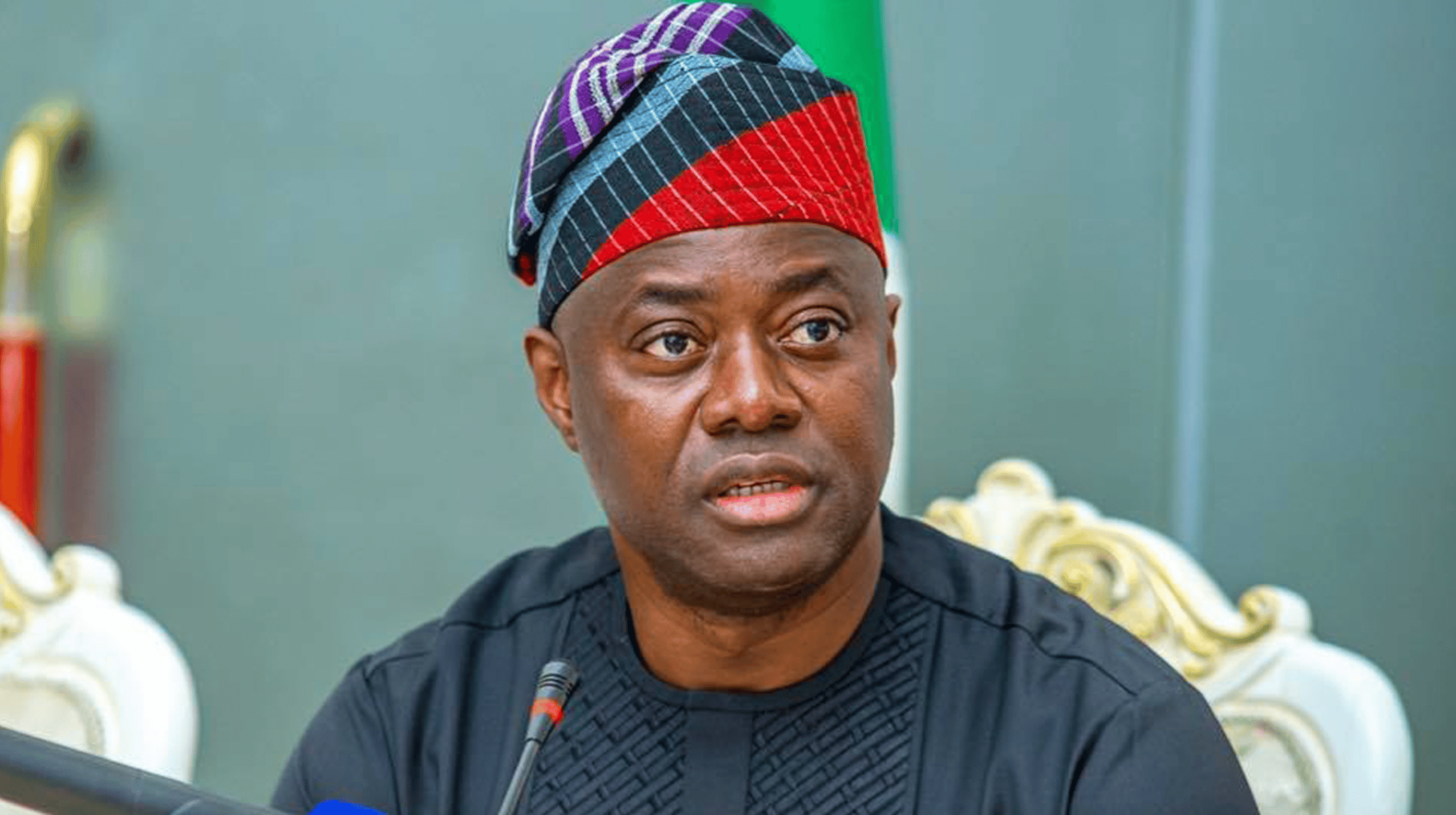
Makinde Accuses Federal Government of Withholding ₦9 Trillion in NLNG Dividends Allocated to 36 States Ahead of 2027 Elections
Oyo State Governor, Seyi Makinde, has reportedly accused the Federal Government of withholding an estimated ₦9 trillion in dividend revenues associated with the Nigeria Liquefied Natural Gas (NLNG), alleging that the funds meant for distribution among Nigeria's 36 states have not been released.
According to the governor, each state is reportedly entitled to approximately ₦250 billion from the NLNG dividends, bringing the total amount due to all 36 states to about ₦9 trillion. Makinde alleged that the Federal Government has continued to hold on to the funds and intends to delay their release until after the 2027 general elections.
The governor also made a more serious allegation, claiming that the money has already been spent by the Federal Government, despite the fact that the funds were expected to benefit state governments across the federation.
The allegation has raised fresh concerns about revenue distribution, fiscal transparency and the financial relationship between the Federal Government and subnational governments. It has also drawn attention to the management of earnings from Nigeria's oil and gas industry, particularly revenues associated with one of the country's major natural gas investments.
Concerns Over the Alleged ₦9 Trillion
The estimated ₦9 trillion mentioned by Makinde represents a significant amount of money, considering the financial responsibilities facing state governments. If the governor's figures are accurate, each state would potentially receive ₦250 billion, an amount that could provide additional resources for infrastructure development, public services and other government programmes.
For many states, additional revenue could help address challenges involving road construction, public hospitals, schools, water supply, rural development and the payment of outstanding obligations. It could also provide governments with greater financial flexibility to implement projects without depending entirely on monthly allocations from the Federation Account.
However, the governor's allegation raises important questions about why the funds have allegedly not been distributed and whether there is an established legal or financial framework governing their release.
The exact basis of the ₦250 billion entitlement per state, the total amount available for distribution and the circumstances surrounding the alleged delay would need to be clarified by the relevant authorities.
Alleged Delay Until After the 2027 Elections
One of the most politically sensitive aspects of Makinde's statement is his claim that the Federal Government intends to postpone the release of the money until after the 2027 general elections.
Nigeria is approaching another major electoral cycle, and questions surrounding public revenue, government spending and the distribution of national resources are likely to attract increased political attention.
If the allegation is substantiated, the decision to delay payments until after the elections could raise concerns about the possible political influence of public financial decisions. State governments depend on predictable revenue flows to plan budgets, execute development projects and maintain essential services.
Nevertheless, the allegation regarding the timing of the proposed release remains a claim attributed to the Oyo State governor. The Federal Government would need to provide an explanation regarding the status of the funds and whether any decision has been taken concerning their distribution.
Implications for State Governments
The alleged withholding of such a substantial amount could have significant implications for the financial position of state governments.
Across Nigeria, state administrations face increasing demands for public infrastructure, healthcare, education, security and social welfare programmes. Rising construction costs, inflation and the general cost of governance have also placed additional pressure on public budgets.
An additional ₦250 billion per state, if confirmed as an amount legitimately due, could provide considerable financial support for development initiatives.
States could potentially use additional resources to rehabilitate roads, improve electricity infrastructure, equip hospitals, expand educational facilities, support agricultural programmes and invest in projects that create employment opportunities.
It could also strengthen the capacity of state governments to address some of the economic difficulties affecting residents, particularly low-income households and small businesses.
However, the actual impact would depend on the conditions attached to the funds, the timing of their release and how effectively individual state governments manage the resources.
Questions About Revenue Management and Accountability
Makinde's allegation has also brought the issue of transparency in public revenue management into focus.
The NLNG is a major participant in Nigeria's natural gas industry, and its financial contributions are part of the broader conversation about how the country manages and benefits from its natural resources.
The controversy highlights the importance of clear information regarding government revenue, dividend entitlements, statutory allocations and the responsibilities of institutions involved in managing public funds.
Nigerians deserve clarity on whether the alleged ₦9 trillion exists as a confirmed distributable amount, how the figure was calculated, which government institutions are responsible for its management and why the states have reportedly not received their respective shares.
It is equally important to establish whether the funds have actually been spent, as alleged by the governor, or whether they remain subject to financial arrangements that have not yet been fully explained to the public.
A transparent explanation from the appropriate authorities would help distinguish between verified financial obligations and political claims.
Federal Government Yet to Provide Clarification
The allegations have placed the Federal Government under pressure to clarify the circumstances surrounding the reported NLNG dividend payments.
A detailed response would be necessary to address the governor's claims, particularly regarding the alleged ₦250 billion entitlement per state, the estimated ₦9 trillion total and the suggestion that the funds may not be released until after the 2027 elections.
Such clarification would also help reassure Nigerians that public revenues are being managed in accordance with established financial regulations and that state governments are receiving funds to which they are legally entitled.
Until relevant financial records and official statements are made available, the allegations should be treated as claims made by Governor Makinde rather than established facts.
What This Means for Nigerians
Beyond the political disagreement between the Federal and state governments, the controversy raises a broader question about how effectively Nigeria's natural resource revenues translate into improved living conditions for ordinary citizens.
Public revenue is expected to support essential services, economic development and infrastructure across the country. Whether funds are managed at the federal or state level, accountability remains essential.
If the reported amount is eventually confirmed as money due to the states, Nigerians will reasonably expect the resources to be used responsibly and transparently.
For now, attention remains on the Federal Government's response and the availability of verifiable information regarding the alleged NLNG dividend funds.
The coming months may provide further clarification on the matter, particularly as political discussions surrounding the 2027 elections continue to intensify.
The central issue remains whether the reported ₦9 trillion is genuinely due to the 36 states, why it has allegedly not been released and whether the Federal Government has already spent the money, as claimed by Governor Seyi Makinde.