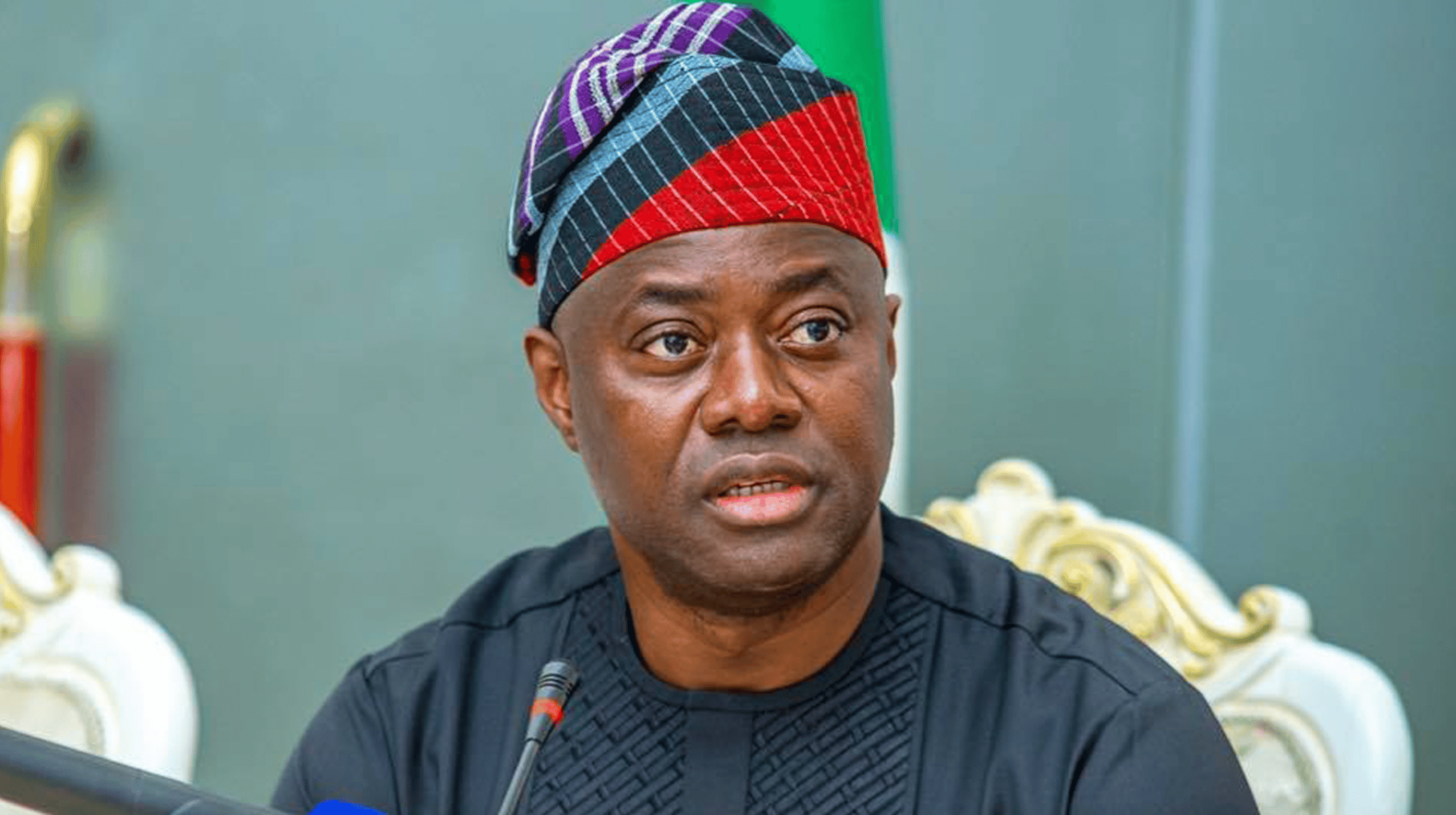
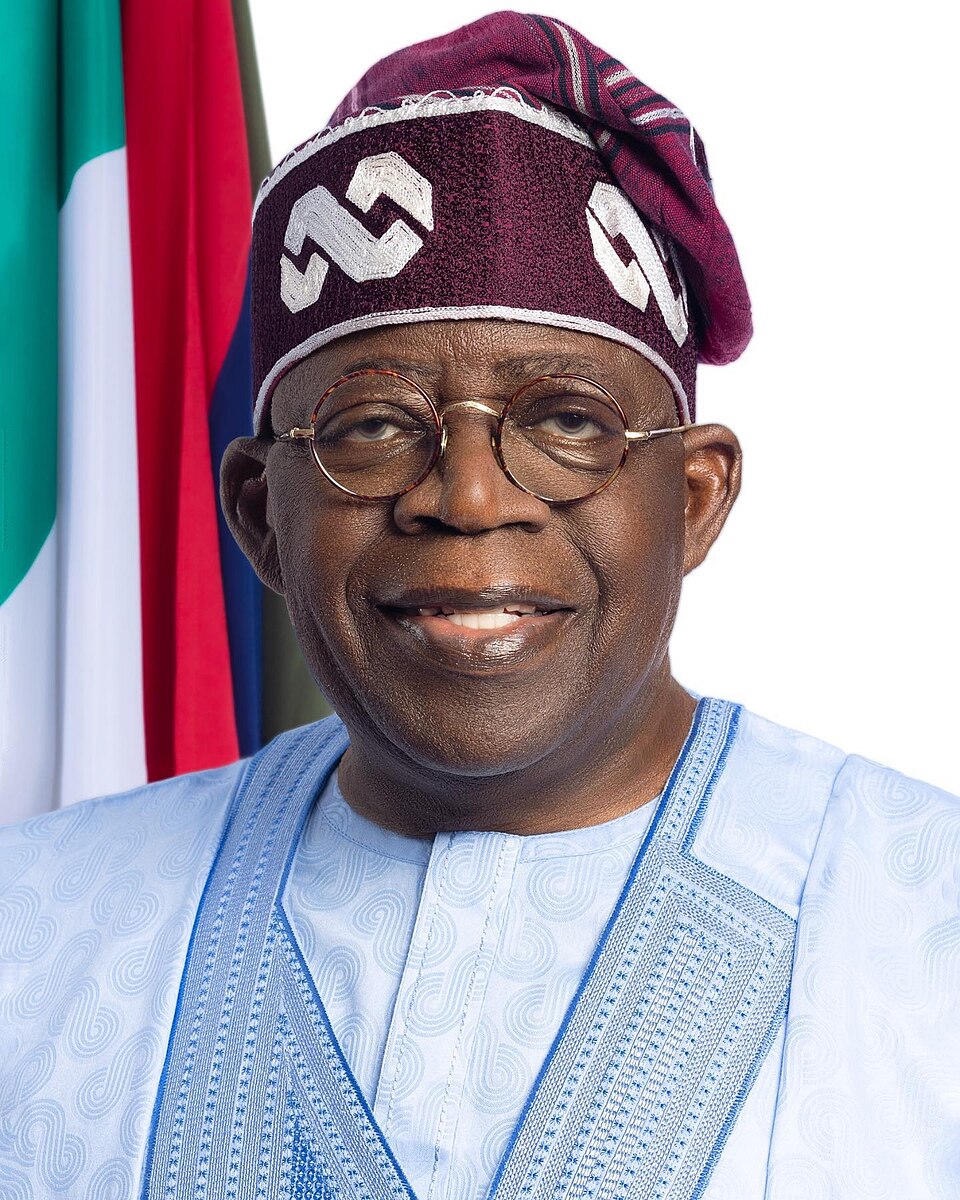
Peter Obi’s Convoy Reportedly Attacked in Calabar
Reports of an alleged attack on the convoy of former Labour Party presidential candidate Peter Obi in Calabar, Cross River State, have raised fresh concerns about political safety and security in Nigeria.
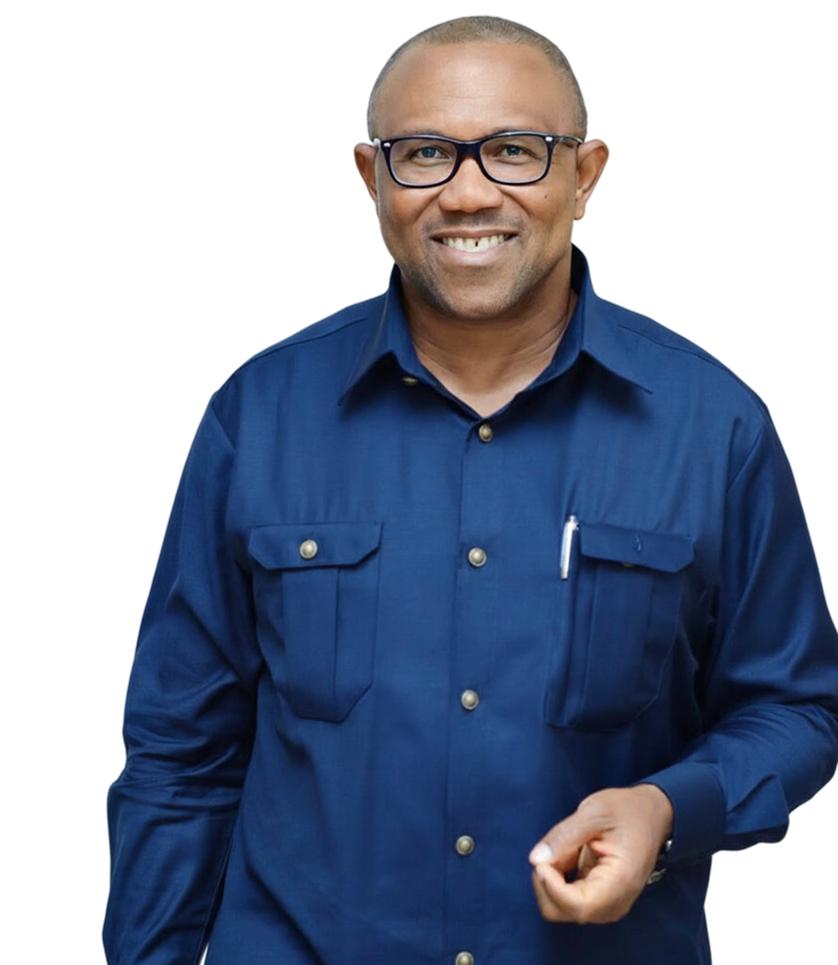
Reported Attack on Peter Obi’s Convoy in Calabar Raises Fresh Concerns Over Political Safety in Nigeria
Reports of an alleged attack on the convoy of former Labour Party presidential candidate Peter Obi in Calabar, Cross River State, have generated public concern and renewed conversations about political security, tolerance and the safety of political figures in Nigeria.
The reported incident has attracted attention because of Obi’s prominence in Nigerian politics and the heightened political atmosphere surrounding the country’s preparations for future elections. Although details surrounding the alleged attack remain limited and require independent confirmation, the development has raised questions about the protection available to politicians during public movements and political engagements.
Concerns Over the Reported Incident
The allegation involving Obi’s convoy has brought renewed attention to the security challenges associated with political activities in different parts of the country.
Political figures frequently travel between communities to attend meetings, interact with supporters, participate in public events and engage with stakeholders. Such movements can sometimes attract large crowds, heightened emotions and unexpected security challenges.
When reports emerge that a political figure’s convoy has been attacked, the immediate concern is the safety of the individual, members of the travelling party, security personnel and members of the public who may be present.
However, establishing the circumstances surrounding an incident requires reliable information. Questions about when the alleged attack occurred, where it happened, who was involved and whether anyone sustained injuries remain important considerations that authorities and credible eyewitness accounts would need to address.
Without verified information, it would be premature to attribute responsibility to any individual, political organisation or group.
Peter Obi’s Political Significance
Peter Obi remains one of Nigeria’s prominent political figures, particularly following his participation in the 2023 presidential election under the Labour Party.
His campaign attracted considerable support, especially among young Nigerians and citizens seeking changes in the country’s political and economic direction.
His political influence has continued to make his public appearances significant events, attracting attention from supporters, political observers and members of the media.
Consequently, reports of a security incident involving his convoy are likely to generate public reactions beyond the immediate location.
The development also highlights the importance of ensuring that political disagreements do not translate into intimidation, harassment or violence.
In a democratic society, politicians should be able to travel, express their opinions, attend public gatherings and engage with citizens without facing threats to their personal safety.
Political Tolerance and Democratic Participation
Nigeria’s democratic system depends on the ability of citizens and political organisations to coexist despite differences in political beliefs and affiliations.
Political competition is a normal feature of democracy. Supporters of different candidates and parties may disagree strongly over leadership, policies, economic priorities and the direction of national development.
However, disagreements should be expressed through peaceful and lawful means.
Incidents involving alleged attacks on political convoys, intimidation or disruption of public engagements can create an atmosphere of uncertainty. Such developments may discourage political participation and weaken public confidence in democratic institutions if they are not properly investigated.
Political tolerance requires citizens, party members and political leaders to recognise that opposing political views are legitimate within a democratic environment.
No individual should be threatened simply because of the political organisation they support or the candidate they choose to follow.
Responsibility of Security Agencies
The reported incident presents an opportunity for relevant security agencies to reinforce their responsibility to protect citizens and public figures.
The Nigeria Police Force and other appropriate authorities have important roles in investigating allegations of violence, establishing facts and ensuring that anyone found responsible for criminal conduct is dealt with according to the law.
A credible investigation should establish whether an attack actually occurred, identify the individuals involved and determine the circumstances that led to the reported incident.
Where evidence supports allegations of criminal activity, appropriate legal procedures should follow.
Security agencies must also avoid allowing political considerations to influence investigations. Their responsibility is to uphold the law, protect lives and maintain public order without discrimination.
Transparency is equally important. Where an investigation is necessary, providing credible updates can help prevent misinformation and reduce unnecessary public tension.
The Role of Political Parties and Supporters
Political parties also have a responsibility to promote peaceful participation among their members and supporters.
Political leaders possess significant influence over public conversations, particularly during periods of heightened political activity.
Their statements and reactions can either reduce tensions or contribute to further division.
For this reason, party leaders should encourage supporters to remain calm, avoid spreading unverified information and report threats or suspected criminal activities through appropriate channels.
Supporters should also understand that political loyalty does not justify violence, intimidation or the destruction of property.
Nigeria’s political environment would benefit from stronger commitments to peaceful engagement, mutual respect and respect for the rights of individuals who hold opposing political opinions.
The Growing Importance of Political Security
Security surrounding political activities has become an important issue in Nigeria, where political gatherings, public campaigns and movements involving influential personalities can attract large numbers of people.
Effective security arrangements should consider crowd management, route assessment, emergency response procedures and communication between organisers and relevant authorities.
These measures are not intended to restrict citizens’ participation in democratic activities. Rather, they are designed to protect everyone involved.
Political security should also extend beyond prominent personalities. Ordinary citizens, journalists, campaign volunteers, party officials and bystanders deserve protection during political events.
A safe political environment allows citizens to participate in public life without fear of intimidation or physical harm.
Social Media Reactions and the Challenge of Misinformation
Reports involving prominent political figures often spread rapidly across social media platforms.
While digital platforms provide opportunities for citizens to share information and express concerns, they can also become channels for speculation and misleading claims.
Photographs, videos and statements circulated online may sometimes lack important context, making it difficult for audiences to establish what actually happened.
In situations involving alleged attacks, responsible reporting requires journalists and media organisations to distinguish between confirmed information, eyewitness accounts and claims that remain unverified.
Publishing inaccurate details can damage reputations, create unnecessary panic and complicate investigations.
Members of the public should therefore rely on credible news organisations and official statements when seeking clarification about the reported incident.
What the Incident Means for Nigeria’s Democracy
Beyond the immediate allegation, the reported development highlights a broader question about the quality of Nigeria’s democratic environment.
Democracy is strengthened when political actors can compete peacefully, citizens can express their preferences freely and institutions can protect the rights of everyone regardless of political affiliation.
The safety of political figures is therefore not simply a concern for individual politicians or their supporters. It is also connected to the broader protection of democratic participation.
If threats or attacks against political actors are established, they should be treated seriously and investigated through appropriate legal channels.
Equally, allegations should not become instruments for political retaliation or public accusations without evidence.
The country’s democratic institutions must demonstrate that the law applies equally to everyone.
Conclusion
The reports of an alleged attack on Peter Obi’s convoy in Calabar have renewed discussions about political safety, tolerance and the responsibility of security institutions in Nigeria.
Although important details surrounding the reported incident require independent confirmation, the development highlights the need for peaceful political engagement and effective protection for individuals participating in democratic activities.
Relevant authorities should establish the facts, investigate any verified wrongdoing and communicate credible findings to the public.
As Nigeria approaches another important period in its political journey, maintaining a peaceful environment will require cooperation among political leaders, security agencies, supporters and ordinary citizens.
Political differences should remain within the boundaries of democratic debate. No disagreement over leadership, ideology or party affiliation should place human lives at risk.
Ultimately, the strength of Nigeria’s democracy will be measured not only by the conduct of elections but also by the country’s ability to protect the rights, safety and freedom of people with different political beliefs.